- Trump escalates pressure on Maduro regime with expanded sanctions and military deployments in the Caribbean.
- U.S. offers $25 million reward for information leading to Maduro's arrest, signaling a hardline approach.
- Mixed signals emerge as Trump hints at potential discussions while ruling nothing out, including military options.
A Shifting Strategy in Venezuela
President Trump has taken an increasingly aggressive stance toward the Maduro regime in Venezuela, with recent actions underscoring a multifaceted pressure campaign. In January 2025, ahead of Maduro's third-term inauguration, the U.S. expanded sanctions targeting eight officials leading key economic and security agencies, according to sources familiar with the matter. Simultaneously, the reward for information leading to Maduro's arrest or conviction was increased to $25 million, with similar amounts offered for other high-ranking officials, a move that has rattled political circles in Caracas.
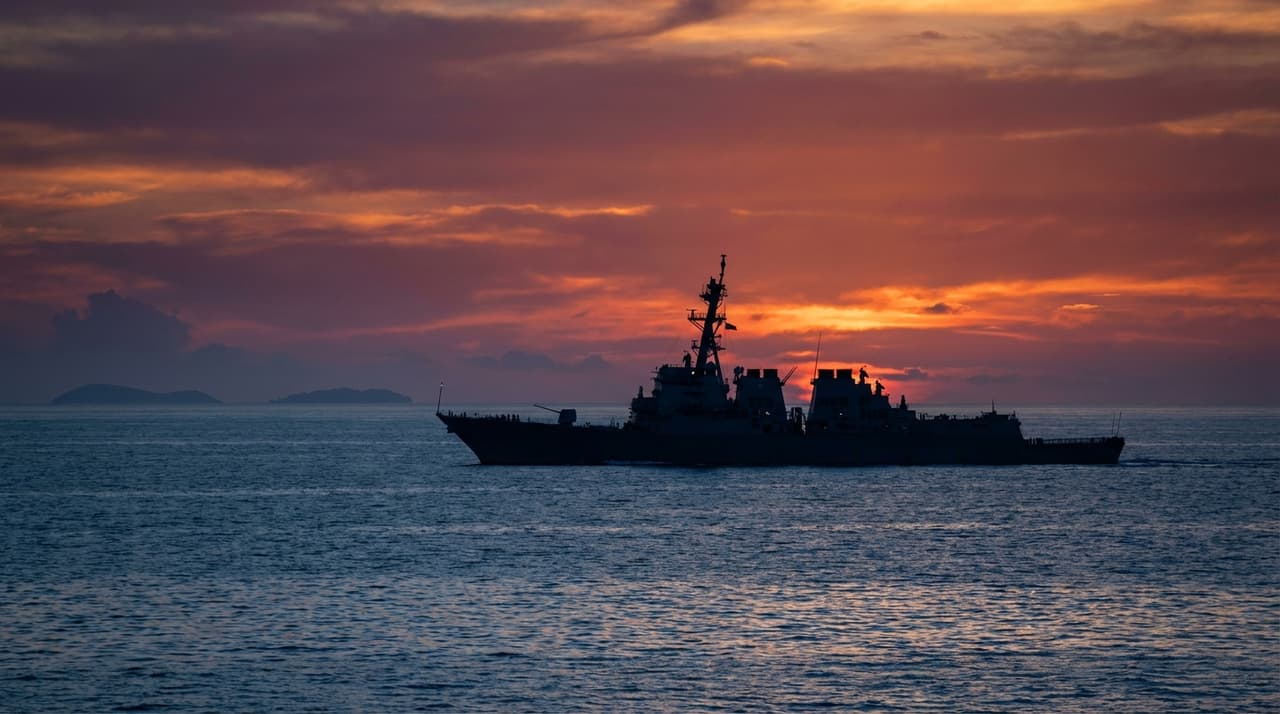
Efforts to isolate the regime have hit a snag as Maduro continues to consolidate power, but the U.S. is not backing down. The Pentagon has deployed warships, fighter jets, and a nuclear submarine to the Caribbean, described by U.S. officials as part of potential military preparations. Since September 2025, the U.S. military has conducted at least 21 attacks on alleged drug trafficking vessels, resulting in over 80 deaths, highlighting a law enforcement angle to the strategy.
Mixed Signals and Ongoing Negotiations
Without a deal, the situation could escalate further, but Trump has indicated a willingness to engage. In November 2025, he stated, "We may be having some discussions with Maduro, and we'll see how that turns out," according to people briefed on the matter. However, he emphasized continued pressure, noting, "We're stopping drug dealers and drugs from coming into our country." When pressed on military options, Trump said, "I don't rule out anything. We just have to take care" of Venezuela, leaving the door open for varied approaches.
The Trump administration has also designated Cartel de los Soles as a "foreign terrorist organization," alleging Maduro's involvement, which he denies. This contrasts with the Biden administration's explicit rejection of Maduro's legitimacy following the disputed July 2024 election, marking a shift in U.S. policy that has drawn attention from global investors monitoring regional stability. Attempts to reach Venezuelan officials for comment were unsuccessful, but sources indicate internal discussions are ongoing amid the heightened tensions.
Implications and Market Reactions
As the situation evolves, financial markets are watching closely, with oil prices showing volatility due to Venezuela's significant reserves. The aggressive posture could lead to further sanctions or disruptions, impacting global energy supplies. Analysts note that the mixed signals—combining threats with potential talks—create uncertainty, but the hardline measures suggest a focus on forcing concessions. For now, the emphasis remains on current developments, with little indication of a near-term resolution.