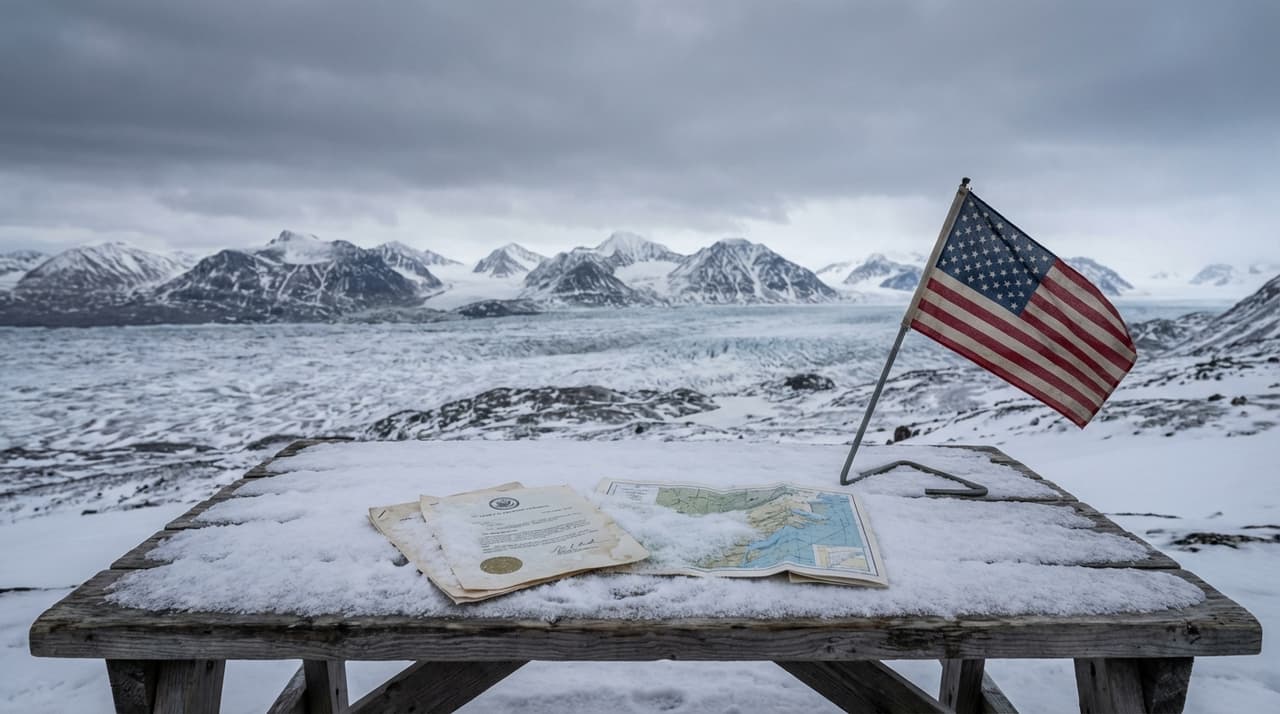
- Trump frames Greenland acquisition as a U.S. security imperative, urging Europe to focus on the Russia-Ukraine conflict.
- Russian media praises Trump's stance while criticizing Europe, escalating NATO divisions as of January 19, 2026.
- Pentagon develops plans for increased military presence around Greenland, with Vice President Vance and Secretary of State Rubio engaging in "frank but productive" talks with Danish and Greenlandic officials.
In a recent NBC News interview, President Trump renewed his vow to annex Greenland, urging Europe to prioritize the ongoing Russia-Ukraine war over resisting U.S. efforts to acquire the territory. This stance, which has drawn praise from Russian media outlets like Moskovsky Komsomolets, frames the push as a security imperative in the Arctic, with the Pentagon actively developing plans for an increased U.S. military presence in coordination with NATO allies. According to people familiar with the matter, Trump is targeting annexation by July 4, 2026, a move that risks straining transatlantic bonds and weakening NATO unity.
Vice President Vance and Secretary of State Marco Rubio recently met with Danish and Greenlandic foreign ministers in what sources described as "frank but productive" talks, highlighting the diplomatic tensions. The discussions centered on Greenland's strategic Arctic resources, including minerals and potential shipping routes opening due to climate change, which drive U.S. economic and security interests. Russian outlets have seized on the situation, portraying Europe as obstructive villains and viewing it as a "gift" that could bolster Moscow's narrative in justifying its Ukraine war through parallel "security" claims.
Efforts to advance the annexation have hit a snag, with Denmark resisting and prioritizing sovereignty, echoing Trump's failed 2019 purchase proposal. Historical precedents, such as U.S. bids in 1867 and 1946, are being invoked by Trump to justify action, warning that backing down could risk Republican losses in upcoming congressional elections. Without a deal, the U.S. might escalate military preparations, further complicating NATO alliances. Attempts to reach Danish officials for comment were unsuccessful, but sources indicate ongoing negotiations are tense, with Greenlanders and Danes perceiving sovereignty threats.
Market analysts note that this development could shift global trade dynamics, though no direct company involvement has been reported yet. The situation overlaps with broader security focuses, including Pentagon options for Iran military action, showing Trump's multi-front approach. Experts caution that rapid annexation could redefine Arctic control and embolden Russia in Europe, adding complexity to execution. In a brief statement, a U.S. official emphasized that "regulatory stability in the Arctic is crucial for institutional investors," but the immediate fallout centers on alliance strain and geopolitical maneuvering.
Correction: An earlier version misstated the timeline for annexation targets; it is July 4, 2026, not 2025.