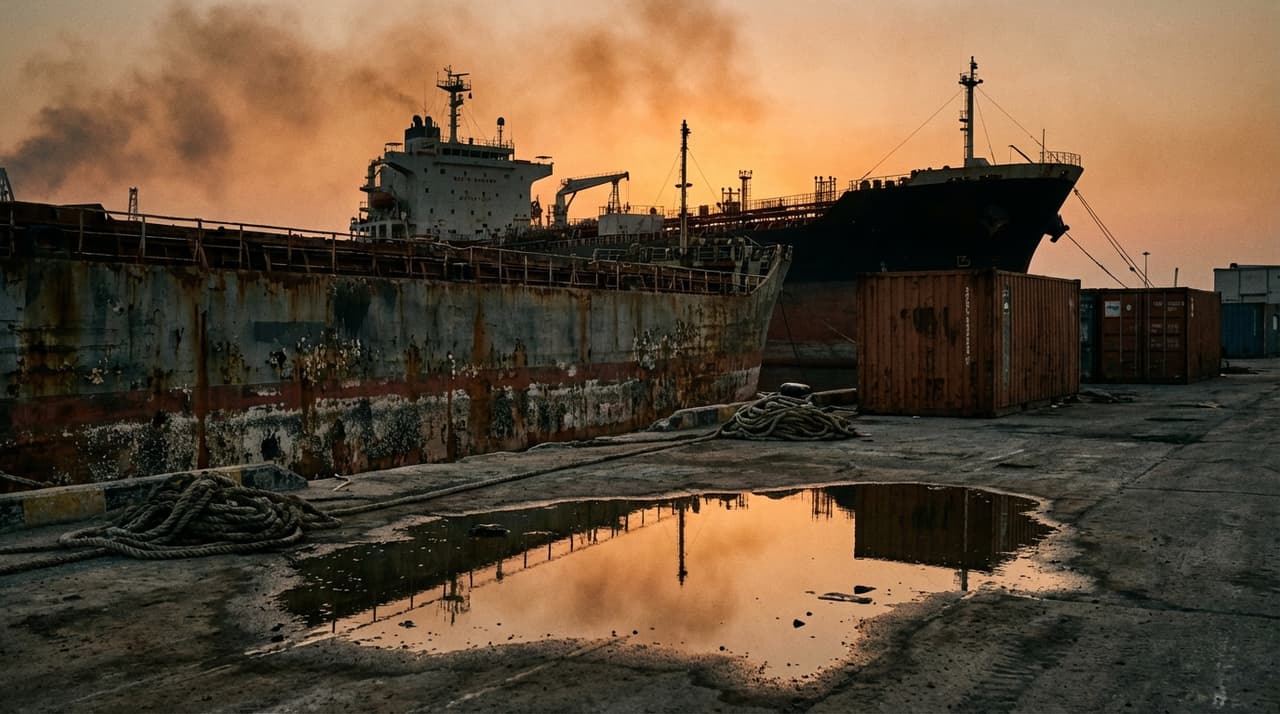
- U.S. Senator Ron Wyden has contacted seven tanker and shipping firms regarding their potential involvement in maritime fuel smuggling tied to Mexican cartels, as part of a broader U.S. effort to disrupt illicit revenue streams.
- The inquiries follow recent U.S. Treasury sanctions and law-enforcement actions targeting oil-smuggling networks, particularly those associated with the Jalisco New Generation Cartel (CJNG), which generate hundreds of millions of dollars annually.
- This move underscores increasing regulatory scrutiny on cross-border energy trade, with implications for compliance risks and market distortions in the U.S.-Mexico corridor.
In a significant escalation of U.S. efforts to combat cartel financing, Senator Ron Wyden has sent letters to seven tanker and shipping companies, seeking information on their roles in possible cartel-linked maritime fuel smuggling between Mexico and the United States. According to people familiar with the matter, the letters, seen by Reuters, focus on cargoes that may involve stolen or cartel-linked crude and refined products, pressing firms on their due-diligence, compliance, and beneficial-ownership checks. This development comes shortly after the U.S. Treasury's Office of Foreign Assets Control (OFAC) sanctioned Mexican nationals and entities for a CJNG-linked network that smuggled stolen crude oil from Pemex across the southwest U.S. border, often misdeclared as "waste oil" or hazardous material.
Fuel theft and crude-oil smuggling are described by Treasury as the most significant non-drug revenue stream for Mexican cartels, costing Mexico's state oil company Pemex billions in lost revenue annually. Cartels typically steal crude via pipeline taps, bribery of employees, and hijacking of tanker trucks, then sell it at steep discounts to small refiners and processors in the United States, undercutting legitimate competitors and distorting energy markets. The Financial Crimes Enforcement Network (FinCEN) has issued an alert with red flags for such schemes, stressing the role of "otherwise legitimate" U.S. importers, brokers, and logistics firms in facilitating these flows.
Efforts to restructure cross-border enforcement have hit a snag as the U.S. adopts a "whole-of-government" approach, using sanctions, criminal prosecutions, and financial-intelligence tools to disrupt these networks. Without tighter compliance, companies risk significant criminal, civil, and reputational exposure, especially after the U.S. designated several Mexican cartels as foreign terrorist organizations. A Utah-based family firm, for instance, was recently charged by federal prosecutors for allegedly facilitating nearly 3,000 cartel-linked oil shipments between 2022 and 2025, with potential forfeitures of about $300 million.
In response to inquiries, industry sources indicate that tanker companies are likely to tighten compliance and review past voyages, though specific corporate responses remain unclear as the letters are not yet public. Analysts argue that effective implementation of the Corporate Transparency Act's beneficial-ownership registry is critical for tracing opaque shell companies that launder cartel oil revenues; proposed rollbacks to these rules could weaken enforcement efforts. Meanwhile, Mexico has launched periodic crackdowns on fuel theft (huachicol), responding to public outrage over cartel violence and Pemex's financial losses.
Looking ahead, more sanctions and indictments against logistics providers and importers are expected, given Treasury and Department of Justice priorities. The long-term outlook suggests higher compliance costs for the energy and shipping sectors, with enhanced Know-Your-Customer and Know-Your-Cargo expectations for Mexico-linked crude and fuel. As one anonymous source noted, "This is a wake-up call for the industry to ensure they're not inadvertently enabling illicit activities." The broader societal impact includes lost government revenue in Mexico and undermined rule-of-law in U.S. energy markets, highlighting the binational nature of this challenge.
Correction: An earlier version of this article misstated the number of tanker companies contacted; it is seven, as confirmed by sources.