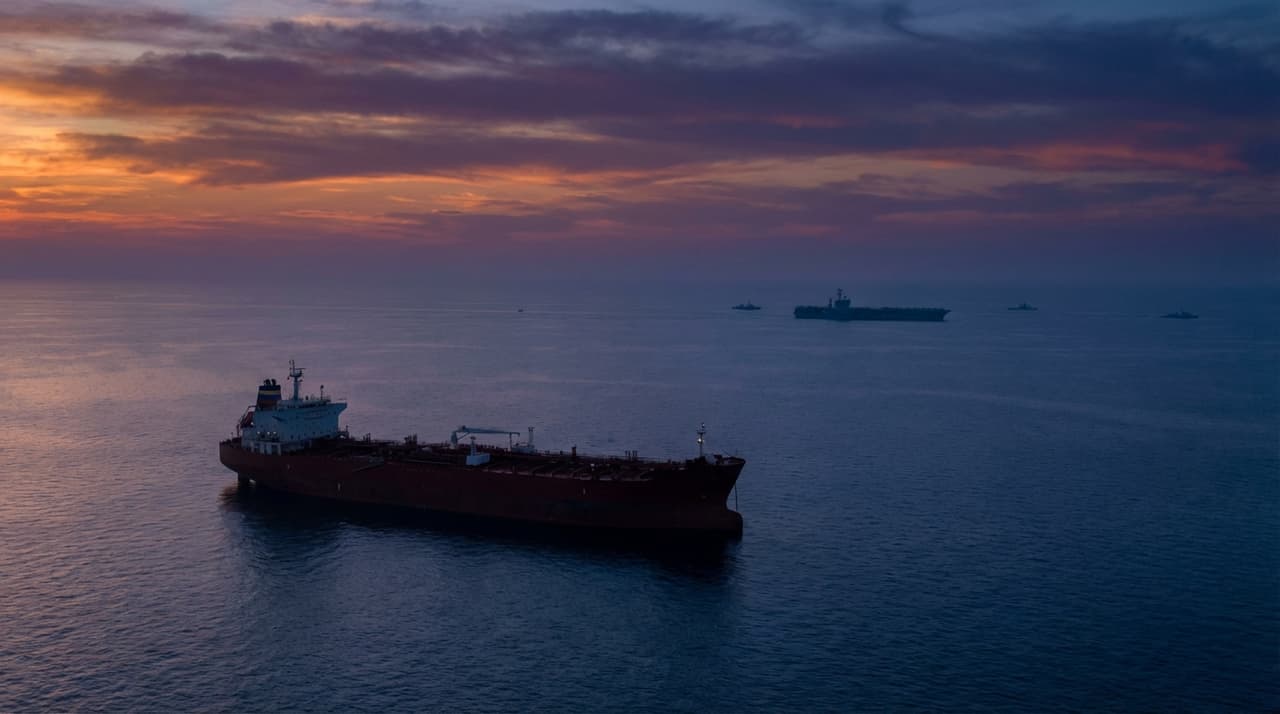
- U.S. special operations forces seized a Venezuelan oil tanker off the coast last week, disrupting what officials call an illegal network funding terrorism.
- Vice President JD Vance praised the operation on X, framing it as proof that Nicolás Maduro recognizes President Trump's resolve to halt drug trafficking and reclaim "stolen" U.S. oil assets.
- The seizure precedes Trump's announced "total and complete blockade" of sanctioned Venezuelan oil tankers, with some vessels already diverting routes amid a U.S. naval buildup.
In a move that underscores the Trump administration's hardline stance, U.S. forces intercepted an oil tanker near Venezuela's coast in mid-December 2025, according to people familiar with the matter. The operation, justified as targeting illicit financing for terrorism, follows recent strikes on drug-smuggling boats in the Caribbean and Pacific that resulted in at least 95 fatalities. Vice President JD Vance took to social media to applaud the seizure, stating that Maduro is "the latest to realize Trump means what he says" regarding demands to stop drug trafficking and return appropriated U.S. oil assets.
Efforts to tighten the screws on Caracas have hit a new gear with Trump deploying what he termed the "largest armada in South American history," including an advanced Navy aircraft carrier, while considering potential land strikes. The U.S. has labeled Maduro's regime and the Cartel de los Soles as foreign terrorist organizations, citing narcoterrorism indictments dating back to 2020. Without a deal to address asset restitution, the administration appears poised to escalate further, with blockade measures already slowing oil flows to destinations like Cuba and potentially spiking global crude prices.
Venezuela's Foreign Minister Yván Gil has condemned the tanker seizure as a "grotesque threat" violating international law, urging UN Security Council intervention to free the crew and challenging the authorization for U.S. actions. "This is nothing short of kidnapping and theft," a Venezuelan official said, speaking on condition of anonymity due to the sensitivity of the situation. The regime's pushback highlights the diplomatic strain, with implications for U.S.-Latin America ties echoing past regime-change pressures.
Market trends show sanctioned tankers rerouting to avoid interception, exacerbating Venezuela's economic crisis while potentially benefiting U.S. energy security. The blockade stems from long-standing disputes over oil nationalization in the early 2000s, which seized assets from firms like ExxonMobil (XOM) without full compensation—claims that remain unpaid today. Trump allies, including Stephen Miller, frame the actions as reclaiming "pillaged" wealth funding crime, though legal experts question the strikes' legality amid debates over military overreach versus anti-drug enforcement.
In the short term, escalating tensions could lead to more seizures or strikes, further isolating Maduro. The administration's focus on current developments, rather than extensive historical context, emphasizes real-time pressure: Trump's December 16 Truth Social post vowed no respite until restitution, aligning with Vance's praise. As one analyst noted, "This isn't just about drugs; it's a direct play for asset recovery in a high-stakes energy showdown." Attempts to reach ExxonMobil for comment were unsuccessful, but stakeholders from disrupted traffickers to U.S. consumers face volatility ahead.