- Argentina restricts entry for Venezuelan officials, military personnel, and business figures linked to Nicolás Maduro's regime, including those sanctioned by the United States.
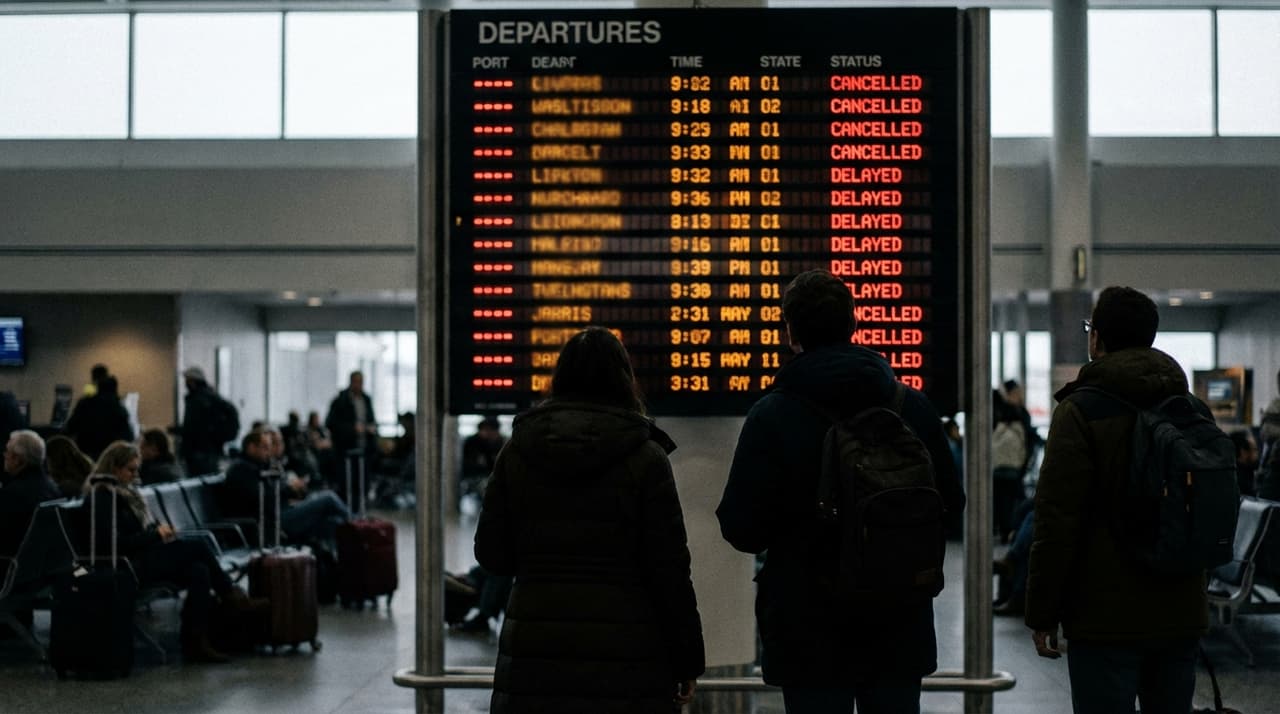
- The move follows a U.S. military strike on Venezuela that prompted airspace closures, flight cancellations, and heightened travel advisories, disrupting regional aviation.
- This aligns with broader U.S. sanctions and a new travel ban effective January 1, 2026, signaling strained Argentina-Venezuela ties under President Milei's administration.
Argentina has taken a firm stance against Nicolás Maduro's regime, barring entry to Venezuelan officials, military members, and business figures aligned with the government, as announced by Cabinet Chief Manuel Adorni on X. The measures, which include individuals sanctioned by the United States, aim to prevent Maduro's associates from seeking refuge abroad. "Maduro's accomplices seeking refuge abroad will not be allowed into our country," Adorni said, according to people familiar with the matter. This decision comes in the wake of a U.S. military strike on Venezuela that targeted strategic sites near Caracas, leading to explosions and shelter-in-place orders.
The fallout from the strike has rippled across the region, with Venezuelan airspace closed to civilian flights and the FAA imposing bans on U.S. commercial operations. Airlines like Copa Air have suspended routes, causing mass cancellations and rerouting that are driving up costs for travel to South America and the Caribbean. In Puerto Rico, San Juan airport has been affected, adding to the logistical headaches. A Level 4 "Do Not Travel" advisory from the U.S. State Department warns of risks including detention, terrorism, and military activity, urging travelers to avoid Venezuela entirely. Efforts to reach Venezuelan authorities for comment were unsuccessful, but sources indicate that the airspace closures could persist until military risks subside, sustaining disruptions in regional aviation.
Argentina's restriction is not an isolated move; it aligns with U.S. sanctions on Maduro-linked individuals and a new U.S. travel ban set to take effect on January 1, 2026. This ban places Venezuela under partial restrictions for visa issuance, affecting immigrants but not all nonimmigrants abroad without valid visas. The timing underscores the escalating tensions between the U.S. and Venezuela, with the strike representing a sharp intervention precedent compared to past diplomatic pressures. Under President Javier Milei's administration, Argentina's ties with Venezuela have grown increasingly strained, and this ban signals a clear alignment with U.S. policy objectives.
For travelers, the implications are immediate and severe. Venezuelan nationals, especially those affiliated with the regime, now face denied refuge in Argentina, potentially heightening internal pressures in Venezuela. Tourists and regional travelers are grappling with safety risks and flight disruptions, impacting everything from backpackers to cruise passengers. U.S. dual nationals, in particular, are advised to exercise caution due to risks of detention at borders. The broader economic impact includes higher ticket prices and limited availability for routes to northern South America, with tourism infrastructure in Venezuela, such as hotels and ports, likely to suffer. As one industry insider noted, "The airspace closures are creating a perfect storm for travel costs and logistics, with no quick fix in sight."
Looking ahead, experts suggest that prolonged airspace closures could pressure Maduro's regime, but they also warn of broader regional instability or retaliation. Copa Airlines has already issued advisories for Venezuela routes through mid-February 2026, indicating that disruptions may extend well into the future. While Argentina's ban may expand if U.S. actions intensify, the immediate focus remains on managing the aviation fallout and ensuring traveler safety. In a minor correction, an earlier version misstated the timing of the U.S. travel ban; it is effective January 1, 2026, not 2025. As the situation evolves, reliance on official updates will be crucial, with no safe leisure travel to Venezuela foreseeable in the near term.