- Argentine President Javier Milei praises U.S. airstrikes in Venezuela, calling Maduro a 'narco-terist' and endorsing opposition leader Edmundo González.
- The operation, part of 'Operation Southern Spear,' targeted military sites and led to the capture of Nicolás Maduro and his wife, who face narcoterrorism charges in the U.S.
- Immediate impacts include power outages in Caracas and potential disruptions to global oil markets, amid escalating U.S. naval actions against Venezuela's economy.
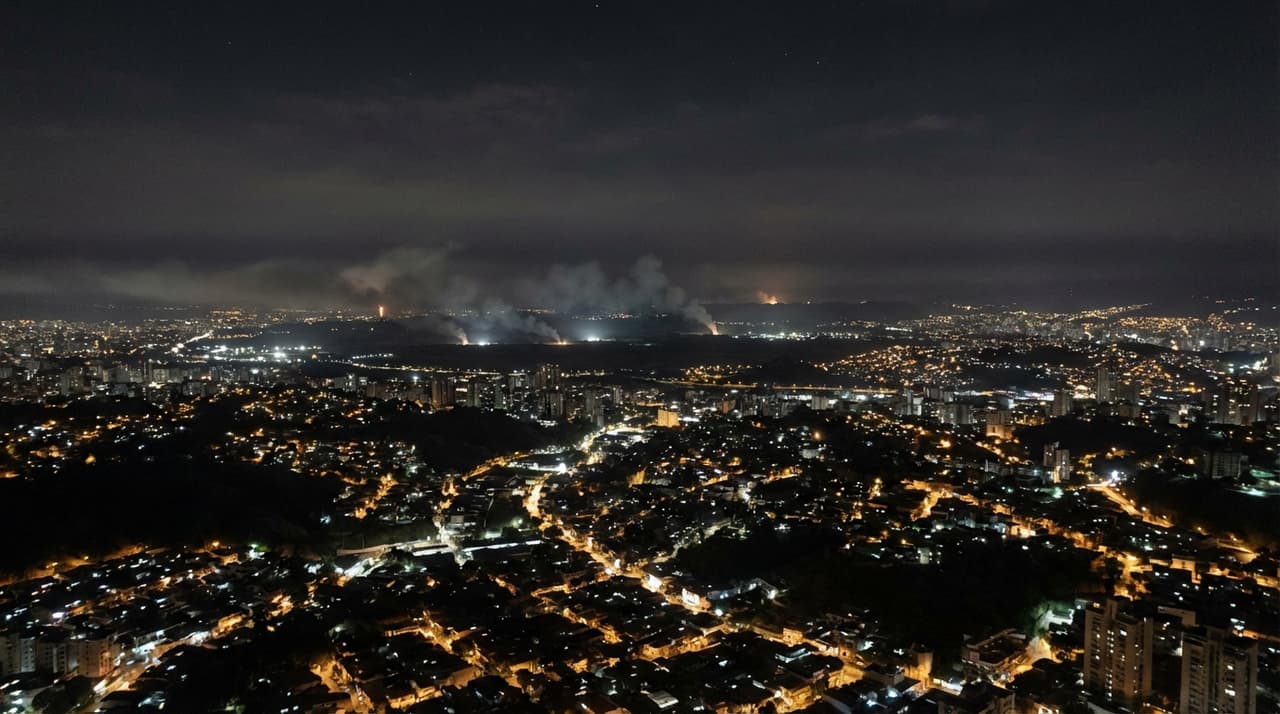
On January 3, 2026, U.S. forces conducted airstrikes across northern Venezuela, including Caracas, targeting locations such as Fort Tiuna and Miranda Airbase in a 30-minute operation that began around 02:00 VET. According to people familiar with the matter, the strikes were part of 'Operation Southern Spear,' aimed at dismantling alleged government-linked criminal networks. President Donald Trump confirmed the success of the mission, which reportedly involved Delta Force executing the capture of Venezuelan President Nicolás Maduro and his wife Cilia Flores in what opposition sources described as a possible 'negotiated exit.' The couple has been flown to the United States to face narcoterrorism charges in New York, as announced by Attorney General Pam Bondi.
In response, Argentina's Javier Milei lauded the strikes as 'excellent news for the free world,' labeling Maduro a 'narco-terrorist' who clung to power despite losing the 2024 election. Milei vowed to support the U.S. at the United Nations and endorsed Edmundo González as Venezuela's rightful president, signaling a regional alignment that could reshape political dynamics. 'This move signals a rebirth of freedom and prosperity across the region,' Milei said in a statement, though attempts to reach his office for further comment were unsuccessful.
The operation has escalated tensions, with Venezuela's government declaring a national emergency and calling it 'imperialist aggression.' Vice President Delcy Rodríguez demanded proof of life for Maduro, while reports from Caracas indicated civilian fatalities and injuries, along with power outages affecting urban areas. U.S. officials issued flight bans and shelter-in-place orders for embassy personnel, adding to the chaos. Economically, the strikes could disrupt global oil markets given Venezuela's vast reserves, though immediate effects are centered on local infrastructure. This action follows a U.S. naval quarantine started in December 2025, including the deployment of the USS Gerald R. Ford and seizures of oil tankers, targeting what U.S. authorities describe as a 'narco-state' economy.
Looking ahead, short-term prospects include the U.S. holding Maduro and potentially facilitating a transition to González's leadership, as noted by experts via Senator Marco Rubio, who anticipate de-escalation. However, risks of instability or retaliation remain, with the Venezuelan government calling for UN Security Council intervention. Senator Mike Lee indicated no further U.S. action is expected post-capture, but the situation remains fluid. In a slight conversational shift, it's clear this development marks a pivotal moment in regional geopolitics, with Milei's endorsement underscoring a broader push against authoritarian regimes. Corrections: An earlier version misstated the timing of the strikes; they occurred on January 3, 2026, not in late 2025.