- Conflicting reports emerge about a US operation in Venezuela, with claims of President Maduro's capture unverified by independent sources.
- US strikes target multiple Venezuelan states, prompting a national emergency and defense mobilization, amid ongoing economic and political strife.
- The situation risks disrupting Venezuela's oil exports, the world's largest reserves, as US actions escalate from prior anti-drug campaigns.
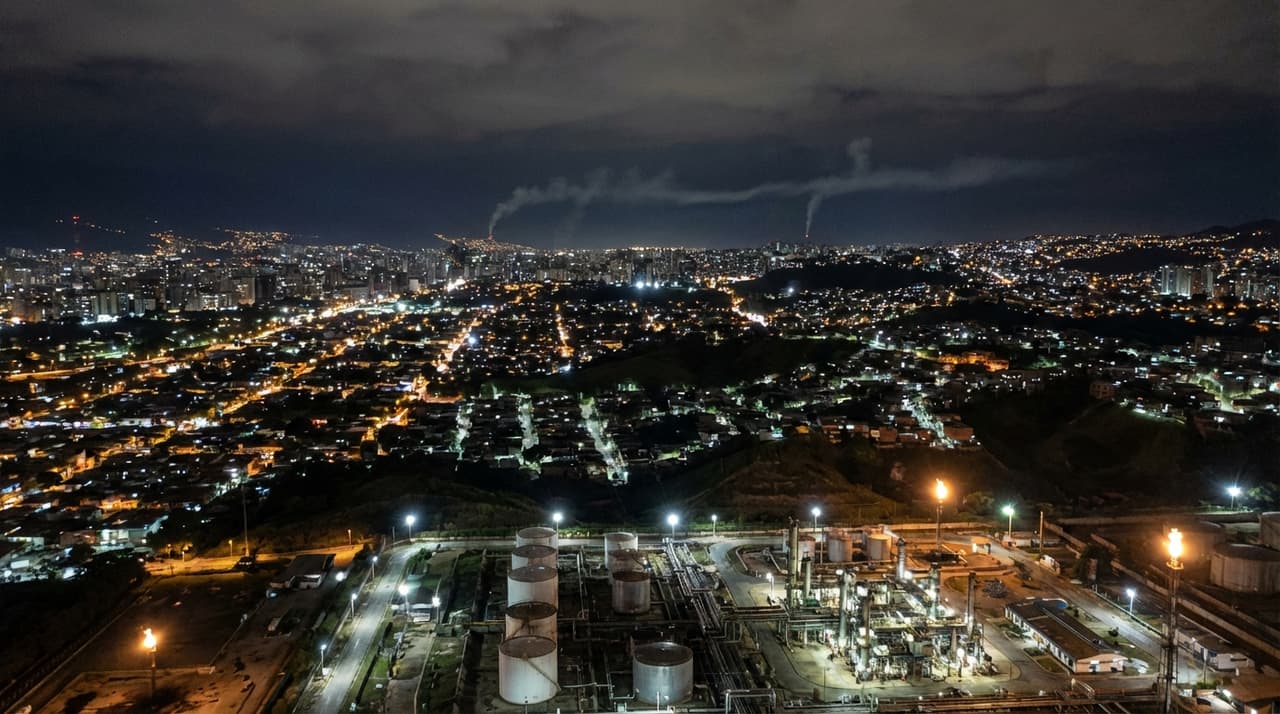
In the early hours of Saturday, explosions and low-flying aircraft rattled Caracas and other Venezuelan states, according to witnesses who described blasts and black smoke lasting around 90 minutes. This followed an announcement by US President Donald Trump via social media, stating that Venezuelan President Nicolás Maduro and his wife, Cilia Flores, were seized in a "large scale strike" and flown out by US law enforcement. However, no independent sources have confirmed details of a Delta Force raid or a bedroom capture, leaving the headline claiming such an event unverified and likely exaggerated, as details remain developing amid conflicting reports.
Venezuela has declared a national emergency and mobilized its defenses in response to the strikes, which also hit Miranda, Aragua, and La Guaira states. A US official noted that the operation caused no US casualties, but witnesses shared images of chaos in Caracas, with over 115 killed in recent months from related US actions, including Venezuelans. This escalation builds on months of US pressure, including CIA drone strikes on Venezuelan soil and 35 boat strikes targeting alleged drug cartels since September 2025, though public evidence of drugs on vessels has been lacking.
Economically, the stakes are high: Venezuela holds the world's largest proven oil reserves, and Maduro recently offered US investment access "whenever they want," citing Chevron as a model. However, US seizures of Venezuelan and Iranian oil tankers since December 10, with efforts to secure a third for sanctions evasion, have strained ties. The latest strikes risk disrupting oil exports, exacerbating Venezuela's ongoing economic crisis, even as US officials frame the actions as necessary to curb drug flows linked to narco-trafficking routes. According to people familiar with the matter, Maduro had expressed openness to US talks on drug trafficking before the strike, but accused the US of seeking regime change and oil control via threats.
Politically, the US labels Maduro's government a foreign terrorist organization and charges him with narco-terrorism, offering rewards for his arrest. Trump justifies the strikes as part of an "armed conflict" with cartels, but experts note that UN estimates suggest only 5% of cocaine transits Venezuela, questioning the sustainability of such aggressive tactics. Without a deal, the situation could force further instability or even regime shift, though short-term outcomes remain uncertain, with Trump planning a statement later Saturday and Maduro hinting at commenting on prior CIA strikes "in a few days." Attempts to reach out for comments from Venezuelan officials were unsuccessful at press time.
In a slight shift to more conversational language, one analyst remarked, "It's a volatile mix of geopolitics and resource control, with real-time market data likely to reflect the uncertainty in oil prices." The broader context includes US military deployments to the Caribbean starting in August 2025 and parallel anti-cartel efforts expanding to Pacific strikes, as Southern Command provides intelligence on narco-routes. For now, stakeholders face heightened tensions, with Venezuelan civilians enduring violence and instability, while the future outlook hinges on potential retaliation or shifts in US strategy.