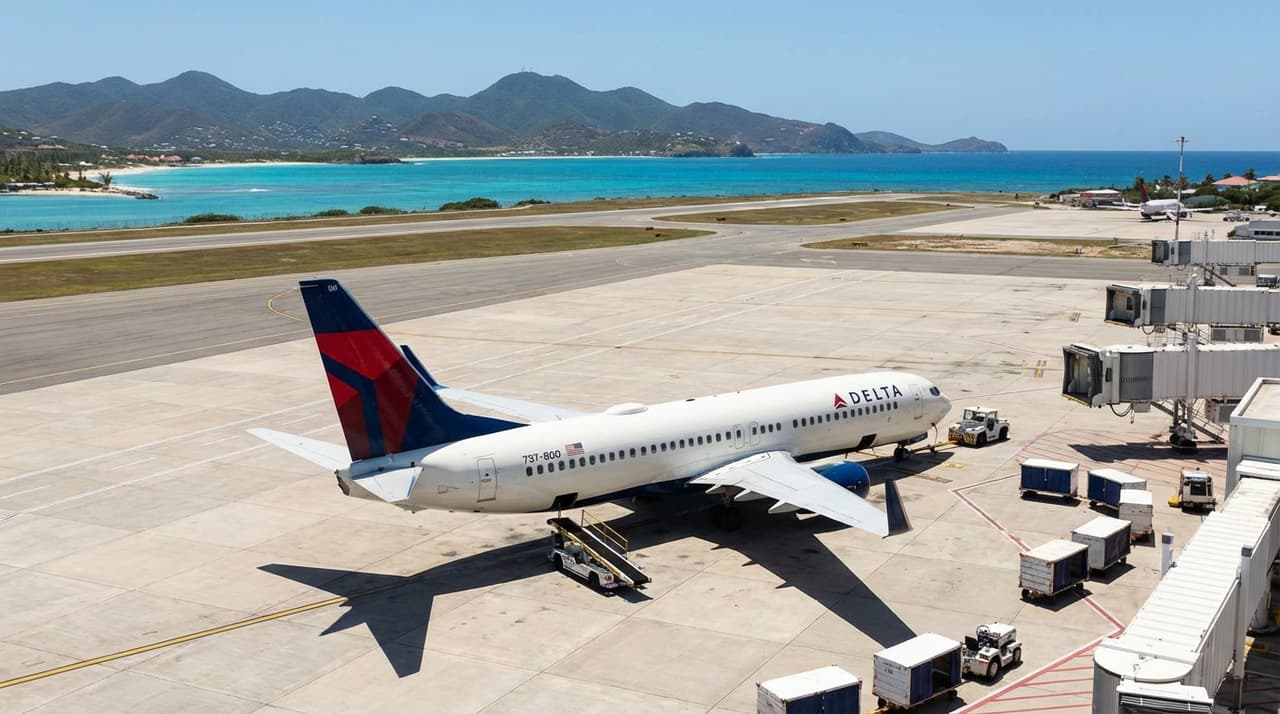
- Delta Air Lines (DAL) cancels flights to the Caribbean due to an FAA emergency ban on U.S. carriers flying over Venezuela's airspace, triggered by U.S. military strikes and the reported capture of Nicolás Maduro.
- The FAA NOTAM, effective from 6:00 UTC on January 3, 2026, prohibits all altitudes in Venezuelan airspace until midnight EST January 4, citing risks from ongoing military activity and prior near-misses involving passenger jets.
- Disruptions raise fuel and rerouting costs for airlines, impacting Caribbean tourism and trade, with potential short-term extensions if military activity persists.
Delta Air Lines, a major U.S. airline, has canceled flights to the Caribbean following an FAA emergency NOTAM that bans U.S. carriers from Venezuelan airspace, according to people familiar with the matter. The move comes after U.S. military strikes on Caracas and President Trump's declaration of the airspace as "closed," amid escalating tensions with the Maduro regime.
The FAA issued the NOTAM at 6:00 UTC on January 3, 2026, prohibiting all U.S. airlines from operating at any altitude in the Maiquetia FIR, which covers Venezuela and its waters, due to "ongoing military activity" risks. It is effective until midnight EST on January 4, but sources indicate it could be extended if the situation worsens. This follows prior advisories since mid-November 2025 and near-misses, such as a JetBlue A320 incident on December 12, 2025, that heightened safety concerns in the region.
Efforts to navigate the Caribbean routes have hit a snag, as Venezuelan airspace is a key corridor for efficient U.S.-Caribbean flights. Without access, Delta and other carriers face significant rerouting, which could spike fuel costs by 5-10% on affected routes, according to industry analysts. The airline, which operates a fleet of over 900 aircraft, has not disclosed the exact number of cancellations, but insiders say it's impacting multiple destinations, including islands like Curaçao and Aruba.
In a brief statement, a Delta spokesperson said the airline is "closely monitoring the ongoing situation" and prioritizing passenger safety, though attempts to reach further comment were unsuccessful. Travelers are reporting stranded plans and higher fares on alternative flights, with Caribbean economies that rely on tourism bracing for reduced U.S. connectivity. "It's a challenging time for regional travel," one industry source noted, speaking on condition of anonymity.
Historically, tensions have built from U.S. military assets in the Caribbean and Trump's November 2025 warning on Truth Social to "consider Venezuelan airspace closed." Foreign carriers like Iberia and TAP had already grounded Caracas flights since last year, despite earlier threats from Venezuela to revoke licenses. The current ban aligns with broader U.S. sanctions on Maduro and reflects a shift from advisories to direct action, straining U.S.-Venezuela relations further.
Looking ahead, experts predict extended cancellations through January 4 or longer if military activity continues, with potential long-term reshaping of Caribbean flight networks. Regulatory stability remains a concern, as FAA NOTAMs often extend during conflicts, per historical patterns. For now, Delta's focus is on rerouting and managing costs, but the situation underscores how geopolitical flashpoints can quickly disrupt global aviation.