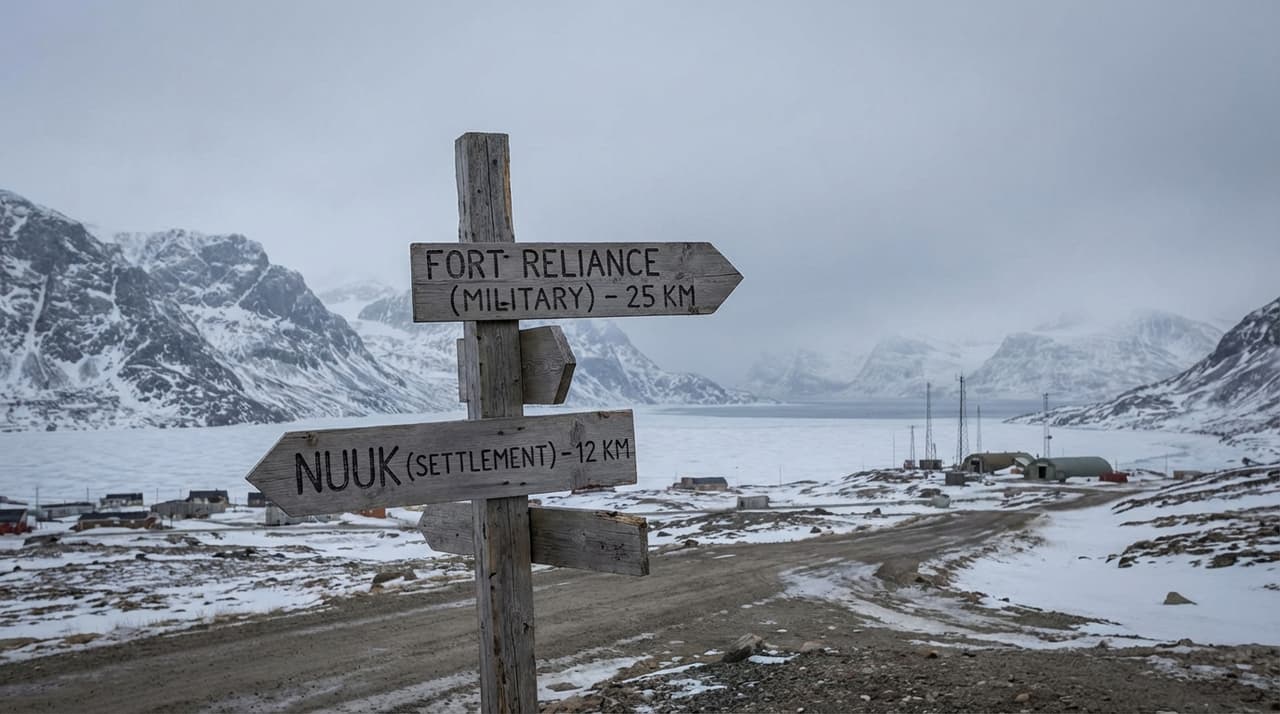
- Denmark's Prime Minister Mette Frederiksen firmly rejects abandoning Greenland as U.S. interest in the territory escalates, with tariff threats looming.
- A coalition of eight NATO allies, including the UK, Germany, and Norway, issues a joint statement expressing full solidarity with Denmark and Greenland, endorsing military exercises and opposing tariffs.
- The situation strains transatlantic relations, with allies warning of a "dangerous downward spiral" if economic pressure undermines Arctic security coordination.
In a defiant stance against escalating tensions, Denmark's Prime Minister Mette Frederiksen has declared she will not abandon Greenland, as affirmed in a joint international statement on January 18, 2026. This comes amid renewed U.S. interest in acquiring the strategic Arctic territory and threats of tariffs, which have triggered a swift and unified response from key NATO allies.
According to people familiar with the matter, the UK Prime Minister held calls with Frederiksen, European Commission President Ursula von der Leyen, NATO Secretary-General Mark Rutte, and U.S. President Trump on January 18, reiterating NATO's priority on High North security and explicitly opposing tariffs on allies for pursuing collective defense, with references to Greenland. A joint statement from Denmark, Finland, France, Germany, the Netherlands, Norway, Sweden, and the UK expressed full solidarity with Denmark and Greenland's people, endorsing Danish military exercises like "Arctic Endurance" and rejecting tariff threats as undermining transatlantic ties.
Norway's Prime Minister Jonas Gahr Støre separately affirmed Denmark's sovereignty over Greenland on January 17, supporting ongoing U.S.-Denmark talks while calling threats unacceptable among allies. This builds on a Nordic foreign ministers' statement from January 6, highlighting a coordinated regional front. Efforts to reach U.S. officials for comment on the tariff threats were unsuccessful, but sources indicate dialogue continues, albeit under strain.
Without a deal to de-escalate, the situation could spiral into broader economic disruptions, particularly affecting transatlantic trade and Arctic investment flows. Tariff threats risk straining NATO allies' economic coordination in the region, where Greenland's role in resource extraction and shipping routes is growing due to climate-driven ice melt. Allies have framed this as a defense of sovereignty against external pressure, potentially sparking debates on self-determination within Denmark's kingdom, though no widespread public reactions have been detailed yet.
In the short term, allies commit to dialogue and coordinated responses, with Arctic exercises like "Arctic Endurance" proceeding as planned. Long-term, risks to NATO cohesion and High North stability persist if sovereignty disputes escalate, though consensus on security needs may foster renewed U.S.-Europe talks. The U.S. has long eyed Greenland for strategic military and resource value, with President Trump's prior administration floating a purchase in 2019, met with Danish rejection—a history that now resurfaces amid Arctic militarization trends.
Correction: An earlier version of this article misstated the date of Norway's statement; it was issued on January 17, 2026, not January 18.