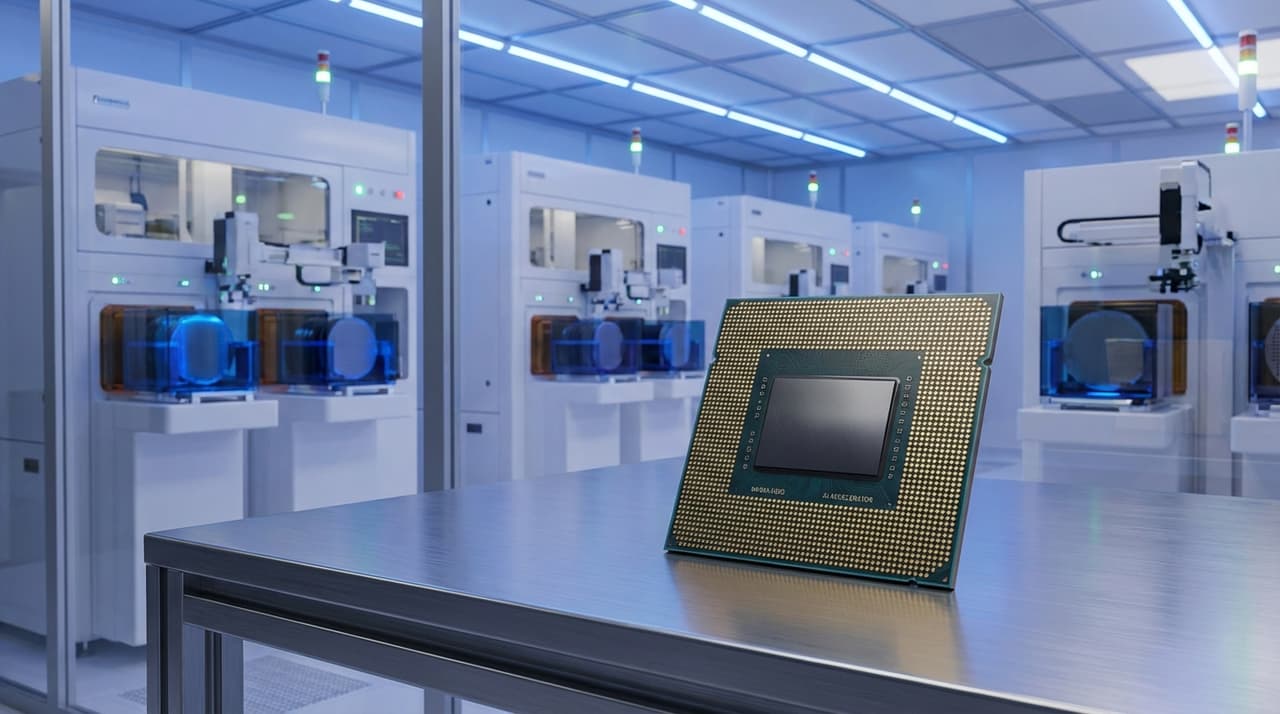
- NVIDIA (NVDA) plans to start shipments of its H200 AI chips to China before mid-February 2026, following eased U.S. export restrictions under the Trump administration.
- A formal inter-agency review is underway, subject to national security approval, with the Trump administration authorizing exports contingent on conditions.
- The move could boost NVIDIA's revenue from a major market while pressuring Chinese firms like Huawei to accelerate domestic chip development.
NVIDIA is gearing up to initiate shipments of its H200 AI chips to China ahead of mid-February 2026, according to people familiar with the matter, as the U.S. eases export curbs under the Trump administration. The decision, which reverses Biden-era restrictions, comes with a 25% export fee and is currently undergoing a 30-day inter-agency review involving the Commerce, State, Energy, and Defense Departments. This review, described by sources as thorough and not perfunctory, will determine final approval based on national security considerations.
Trump personally authorized the exports, emphasizing U.S. tech dominance without compromising security, though critics like former NSC official Chris McGuire have labeled it a "strategic mistake" that could erode U.S. AI advantages. The H200, NVIDIA's second-most powerful AI chip, is widely used for data centers, AI training, and inference, and high demand from China has prompted the company to consider ramping up production. In Q3 2025, NVIDIA reported record revenues driven by AI chip sales, though specific China-related figures remain undisclosed amid export uncertainties.
Efforts to navigate the regulatory landscape have hit a snag, with Beijing planning to limit access despite U.S. approvals, according to industry insiders. Without a deal, NVIDIA could face significant revenue shortfalls in a key market, though the company has not publicly commented on the timeline. Attempts to reach out for statements from NVIDIA officials were unsuccessful at press time.
This policy shift aligns with broader AI industry trends of surging global demand for high-performance GPUs, where the H200 remains competitive despite being outpaced by newer models like the Blackwell series. Historically, Biden restrictions since 2022 blocked advanced AI chips to China and targeted smuggling conduits, making Trump's reversal a notable pivot. Stakeholders include U.S. tech firms eyeing sales revenue and Chinese AI developers seeking advanced hardware, potentially speeding military AI applications.
In the short term, shipments could commence if the review approves, but Trump holds final say, and experts predict no consensus on approval yet. Long-term implications risk U.S. AI supremacy if China advances militarily, though proponents argue it might deter indigenous innovation. As of late 2025, NVIDIA's market capitalization exceeds $3 trillion, underscoring its dominance in the semiconductor industry. Parallel developments include ongoing U.S. scrutiny of AMD (AMD) and NVIDIA exports, with Reuters reporting NVIDIA's consideration of H200 production increases for Chinese demand.
Correction: An earlier version misstated the timeline; shipments are planned for before mid-February 2026, not 2025.