- Venezuelan President Nicolás Maduro captured by U.S. Delta Force in Caracas and transported to New York for federal trial.
- Charges stem from a 2020 DEA indictment alleging collaboration with Colombian FARC rebels and the Cártel de los Soles to flood the U.S. with cocaine.
- The arrest threatens further instability in Venezuela's oil-dependent economy and raises questions about U.S. intervention ethics amid heightened regional tensions.
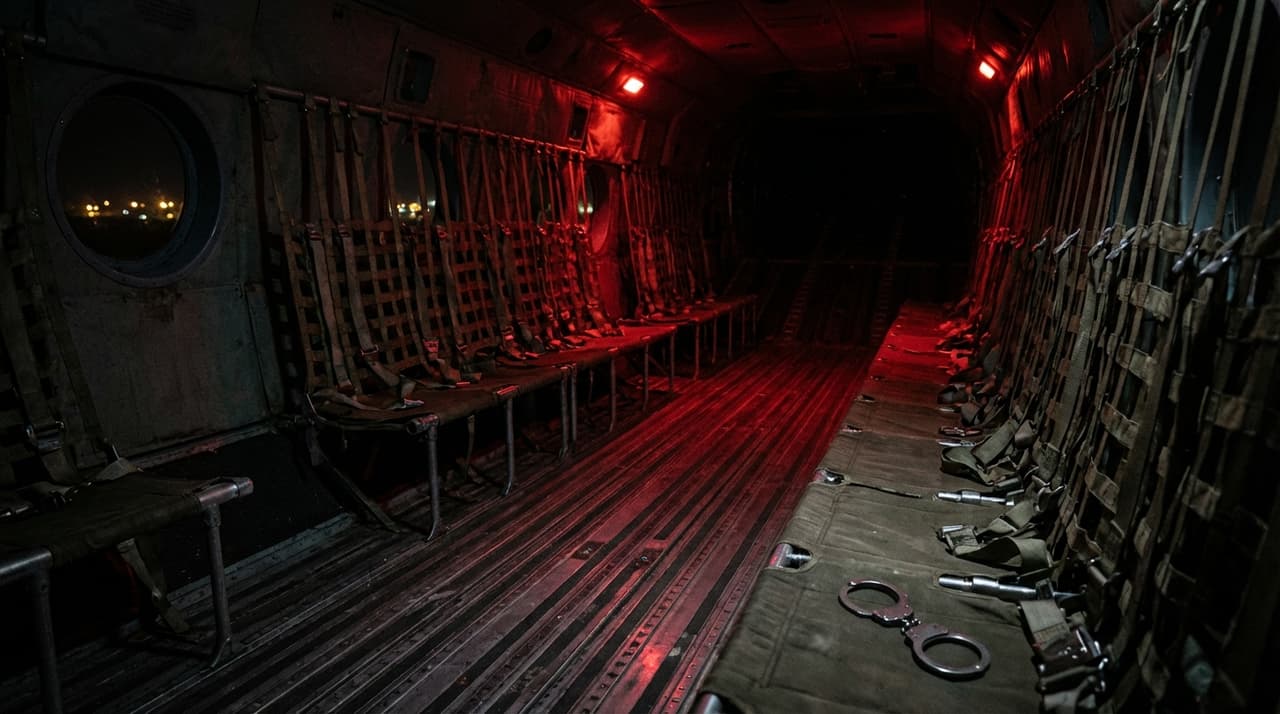
Venezuelan President Nicolás Maduro was captured early Saturday morning by U.S. Delta Force in a large-scale military strike involving explosions in Caracas, according to sources familiar with the operation. He is being transported to New York to face federal charges in Manhattan federal court, with Attorney General Pam Bondi stating that Maduro and his wife, Cilia Flores, will soon face the full wrath of American justice on American soil.
The indictment, built over years by the DEA against Maduro and top military leaders, includes charges of narco-terrorism conspiracy, cocaine importation conspiracy, and weapons possession. It alleges a 20-year criminal enterprise involving collaboration with Colombian FARC rebels and the Cártel de los Soles to flood the U.S. with cocaine. Efforts to reach representatives of the Venezuelan government for comment were unsuccessful, but Bondi emphasized that the charges reflect longstanding U.S. accusations linking Maduro's regime to drug cartels like Tren de Aragua, which was recently designated a terrorist gang.
Venezuela's economy, already crippled by sanctions and heavy oil dependency, faces further instability from Maduro's removal, potentially disrupting global oil markets. This comes amid a U.S. naval buildup in the Caribbean, including the deployment of the USS Gerald Ford and 15,000 troops, following prior strikes on drug-loading docks. Secretary of State Marco Rubio indicated no further Venezuelan action is expected post-capture, but experts warn that the power vacuum could lead to unrest, especially after Maduro's disputed 2024 third-term inauguration.
The Trump administration had designated Maduro as the head of a foreign terrorist organization in November, citing ties to narco-trafficking, and recognized opposition leader Edmundo González as the winner of the 2024 election. The capture parallels the 1989 Noriega capture in Panama via U.S. invasion for drug charges—exactly 35 years prior—sparking debates on intervention ethics among U.S. allies and the public. Short-term, Maduro is held at MDC-Brooklyn pre-trial, with a Trump press conference scheduled for 11 a.m. ET from Mar-a-Lago.
Long-term, the trial could weaken Venezuelan military loyalists and boost U.S. anti-drug efforts, but analysts question whether the Cártel de los Soles operates as a loosely corrupt network rather than an organized terror group. Without further intervention, regime change remains uncertain, and the societal impact includes relief for the opposition amid an ongoing humanitarian crisis. The operation was greenlit days ago but delayed by Nigeria ISIS strikes and weather, according to sources, highlighting the complex geopolitical backdrop.