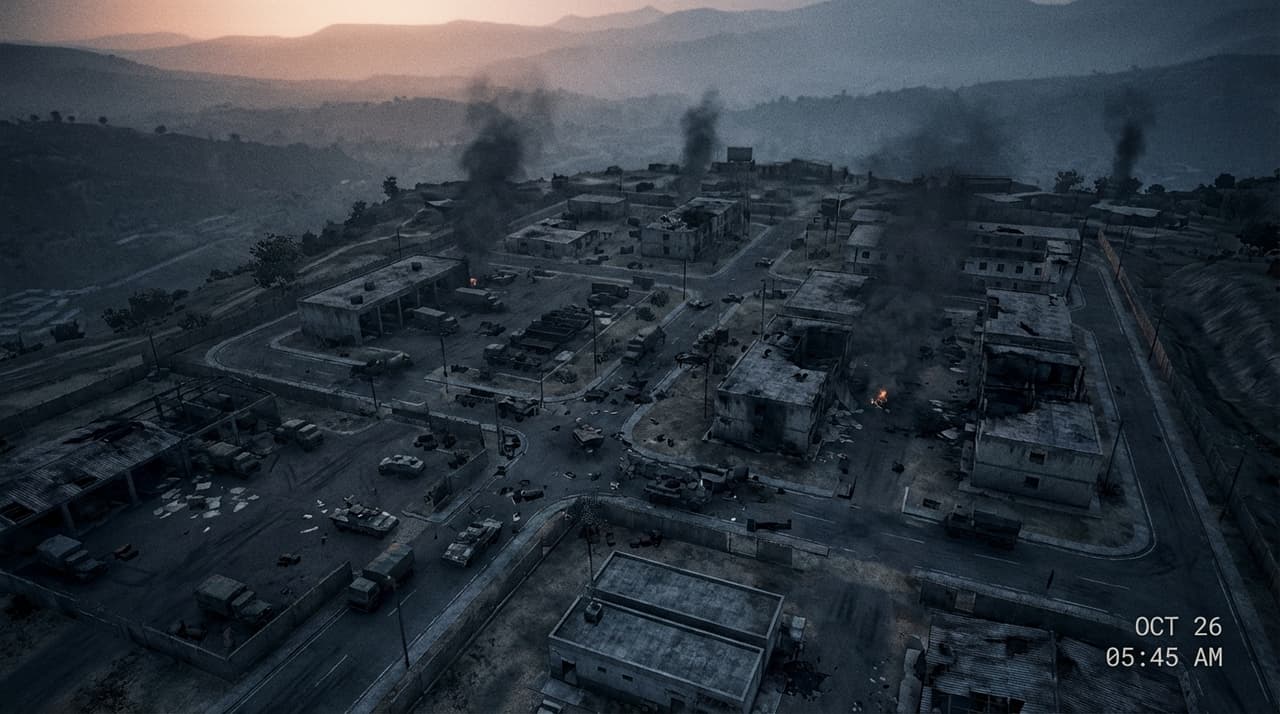
- U.S. forces conducted large-scale airstrikes on Venezuela, resulting in the reported capture of President Nicolás Maduro and his wife Cilia Flores.
- The operation, part of Operation Southern Spear, targeted military installations including Fort Tiuna and Generalissimo Francisco de Miranda Air Base, with immediate consequences like power outages and airspace restrictions.
- International reactions are mixed, with Venezuelan officials demanding proof of life and opposition figures supporting the U.S. actions, as President Trump prepares to address the situation.
In a dramatic escalation of tensions, the United States launched airstrikes on Venezuela in the early morning hours of January 3, 2026, targeting key military infrastructure across the northern part of the country. According to people familiar with the matter, the strikes lasted approximately half an hour and focused on sites such as Fort Tiuna, Higuerote Airport, and communication antennas at Cerro El Volcán. Venezuelan Defense Minister Vladimir Padrino López reported that American combat helicopters fired rockets and missiles in urban areas, with authorities still assessing casualties amid the chaos.
At 5:21 a.m. VET, President Trump announced on Truth Social that Maduro and his wife had been captured and flown out of the country, a claim later echoed by Secretary of State Marco Rubio, who stated that Maduro would face criminal charges in the U.S. The operation was reportedly undertaken by Delta Force, marking a significant turn in what had been a months-long military buildup. Efforts to restructure diplomatic relations have hit a snag, as Venezuelan Vice President Delcy Rodríguez confirmed both Maduro and his wife are missing and demanded "proof of life," while opposition leader María Corina Machado expressed support for Trump's actions.
Background context reveals this as part of Operation Southern Spear, which began with a U.S. military buildup in the southern Caribbean in August 2025 and escalated through strikes on drug trafficking vessels and a naval quarantine by December. Without a deal, the situation could spiral further, though Republican Senator Mike Lee suggested that Secretary Rubio anticipates no further action now that Maduro is in U.S. custody. The Federal Aviation Administration has issued a NOTAM prohibiting U.S. aircraft from operating in Venezuelan airspace, and the U.S. Embassy in Caracas issued a shelter-in-place order, adding to the immediate disruptions, including power outages in southern Caracas.
As the dust settles, President Trump is scheduled to hold a press conference at 11:00 a.m. EST to provide further details, with global markets watching closely for implications on oil prices and regional stability. Attempts to reach Venezuelan officials for additional comments were unsuccessful, but sources indicate that some opposition figures view Maduro's capture as a "negotiated exit" with the United States. This development underscores the volatile nature of U.S.-Venezuela relations and raises questions about future governance in the oil-rich nation.
Correction: An earlier version of this article misstated the timing of the strikes; they occurred in the early morning hours, not midday.