- Congress is poised to block military action against Greenland, aligning with former Speaker Paul Ryan's Davos warning that unilateral force would cross a serious line.
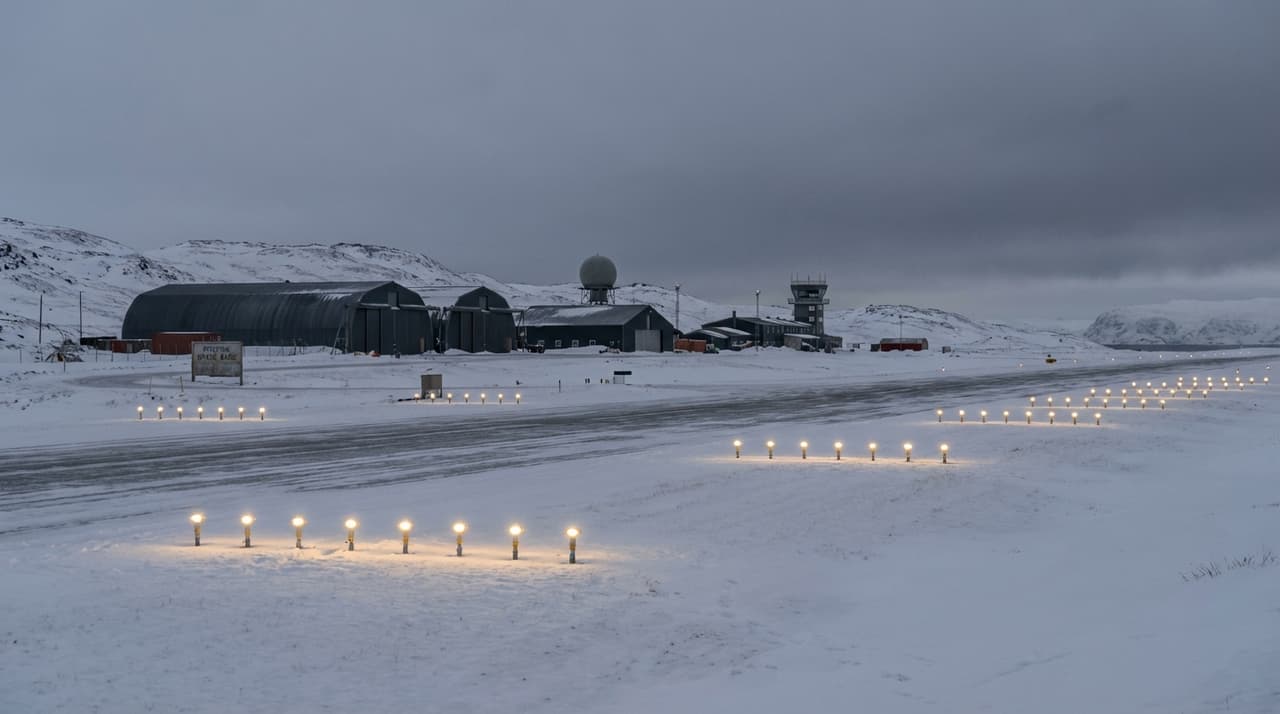
- U.S. military upgrades at Pituffik Space Base proceed despite the crisis, including a $25 million solicitation for infrastructure improvements set to begin early 2026.
- President Trump's tariff threats against European countries unless Greenland is ceded could disrupt transatlantic trade, with rates set to rise from 10% to 25% by June.
A Diplomatic Standoff with Military Undertones
Efforts to acquire Greenland have hit a snag as bipartisan opposition in Congress solidifies against authorizing military force, according to people familiar with the matter. Former House Speaker Paul Ryan, speaking at the World Economic Forum in Davos, emphasized that Congress would not back such a move, noting the U.S. already has defense access to Greenland under existing treaties. "Any unilateral action by the president would cross a serious line," Ryan stated, reflecting widespread congressional sentiment.
Meanwhile, military investments at Pituffik Space Base continue unabated. A $25 million solicitation issued on January 8, 2026, for runway lighting, bridges, and infrastructure upgrades is scheduled to commence in early 2026, building on prior contracts like a $4 billion 2022 operations deal and 2023 F-35 deployments. These enhancements proceed despite the escalating diplomatic crisis, underscoring the strategic importance of Greenland in Arctic competition with Russia and China.
Tariff Threats and NATO Rifts
President Trump's January 18, 2026, threat of new tariffs on European countries—starting at 10% from February 1 and rising to 25% by June unless Greenland is ceded—adds economic pressure to the geopolitical standoff. This move could disrupt transatlantic trade flows, with European leaders like France's Emmanuel Macron and Sweden's Ulf Kristersson rejecting U.S. pressure and linking their response to solidarity over Ukraine. "We will not be bullied into surrendering sovereignty," a senior Danish official said, speaking on condition of anonymity.
In Washington, a January 14 meeting formed a U.S.-Danish-Greenlandic working group for talks, though the White House frames it around acquisition rather than compromise. Denmark and NATO allies, including France, Germany, Norway, and Sweden, are boosting military presence and exercises in Greenland for deterrence, framing it as an Arctic security boost rather than an anti-U.S. move. This has strained NATO unity, with European forces potentially complicating U.S. operations while rallying Danish special forces elsewhere.
Legislative and Public Hurdles
Bipartisan congressional bills prohibit funding military action against NATO allies like Denmark, with Senator Thom Tillis (R-NC) predicting veto-proof passage if an invasion looms. Public support in the U.S. remains low, with only 17% favoring annexation and a mere 4% supporting force, according to recent polls. Greenland's government has firmly opposed a U.S. takeover "under any circumstances," adding to the diplomatic impasse.
Attempts to reach the White House for comment on the tariff timeline were unsuccessful, but sources indicate that Trump insists on using "strength, force, and power" in negotiations. The working group talks are ongoing, with short-term outcomes likely focused on deterrence through NATO deployments and tariff threats, while long-term prospects hinge on a reconciled security deal preserving Danish sovereignty or a deeper NATO rift. Experts suggest diplomacy or deterrence may avert catastrophe, but the situation remains volatile as melting Arctic ice opens new shipping corridors and resource access, heightening global competition.