- France condemns U.S. airstrikes and capture of Venezuelan President Nicolás Maduro as a violation of international law.
- The operation, dubbed Operation Southern Spear, escalates tensions and prompts emergency measures in Venezuela.
- International consultations are underway, with potential implications for U.S.-EU and regional relations.
Escalation in Venezuela
On January 3, 2026, U.S. forces conducted airstrikes across northern Venezuela under Operation Southern Spear, capturing President Nicolás Maduro and his wife Cilia Flores. French Foreign Minister Jean-Noël Barrot swiftly condemned the action, stating it violates the principle of non-use of force under international law and could have heavy consequences for world security. According to people familiar with the matter, French President Emmanuel Macron is consulting with international partners on the issue, highlighting the strain this places on U.S.-EU diplomatic ties.
Operation Details and Immediate Fallout
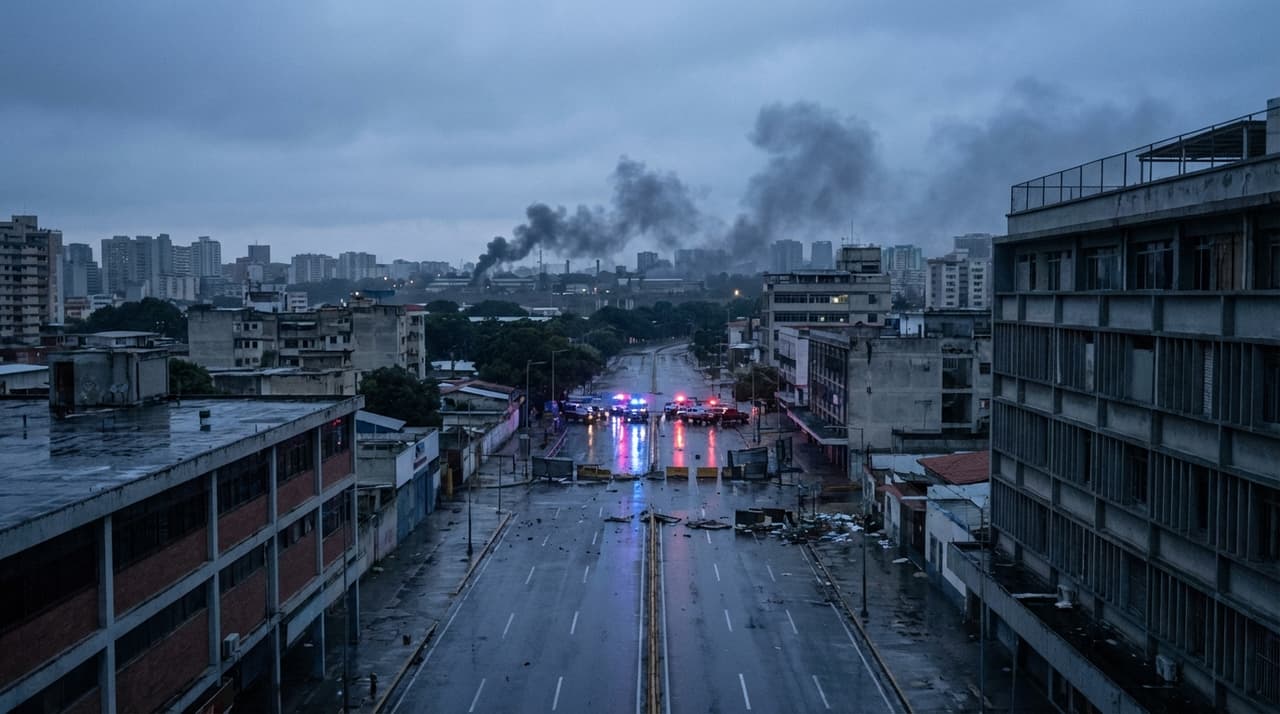
The strikes targeted key military sites in Caracas, including Fort Tiuna and Miranda Airbase, as well as La Guaira port and communication antennas, lasting approximately 30 minutes. U.S. President Donald Trump announced the capture via Truth Social at 5:21 a.m. VET, with Attorney General Pam Bondi confirming narcoterrorism indictments in New York. Delta Force executed the arrest, flying Maduro and Flores out of the country. In response, Maduro declared a national state of emergency, calling it "imperialist aggression," while Vice President Delcy Rodríguez demanded proof of life after confirming their disappearance. Explosions in Caracas have sparked emergency measures, adding to the societal instability.
Political and Regional Context
This event marks a major escalation in U.S.-Venezuela tensions, which have built from U.S. accusations of Maduro's criminal ties following the disputed 2024 election. Prior U.S. actions included deploying the USS Gerald R. Ford in November 2025, oil tanker seizures, and CIA covert operations in December. Opposition sources suggest a possible "negotiated exit," with Venezuelan opposition leader María Corina Machado's team confirming additional strike sites. Meanwhile, Venezuela has called for UN Security Council action, potentially inviting Russian or Chinese involvement and complicating regional dynamics. Experts note short-term risks include Venezuelan retaliation or regional unrest, while long-term outcomes could range from ending Maduro's rule to creating a power vacuum.
Human Elements and Market Implications
Efforts to restructure Venezuela's political landscape have hit a snag with this military intervention. Without a deal, the country could face further destabilization, akin to past U.S. interventions like the 1989 capture of Panama's Manuel Noriega. Attempts to reach out for comment from U.S. officials like Senator Marco Rubio were unsuccessful, but Bondi detailed the charges, emphasizing the focus on Maduro's alleged "narco-state." The operation has drawn mixed reactions: opposition figures view it positively, while government loyalists decry the aggression, leaving civilians under emergency rule. This development underscores the ongoing debate between sovereignty and anti-crime intervention, with real-time implications for Latin American security and international law norms.
Correction: An earlier version misstated the date of the operation; it occurred on January 3, 2026.