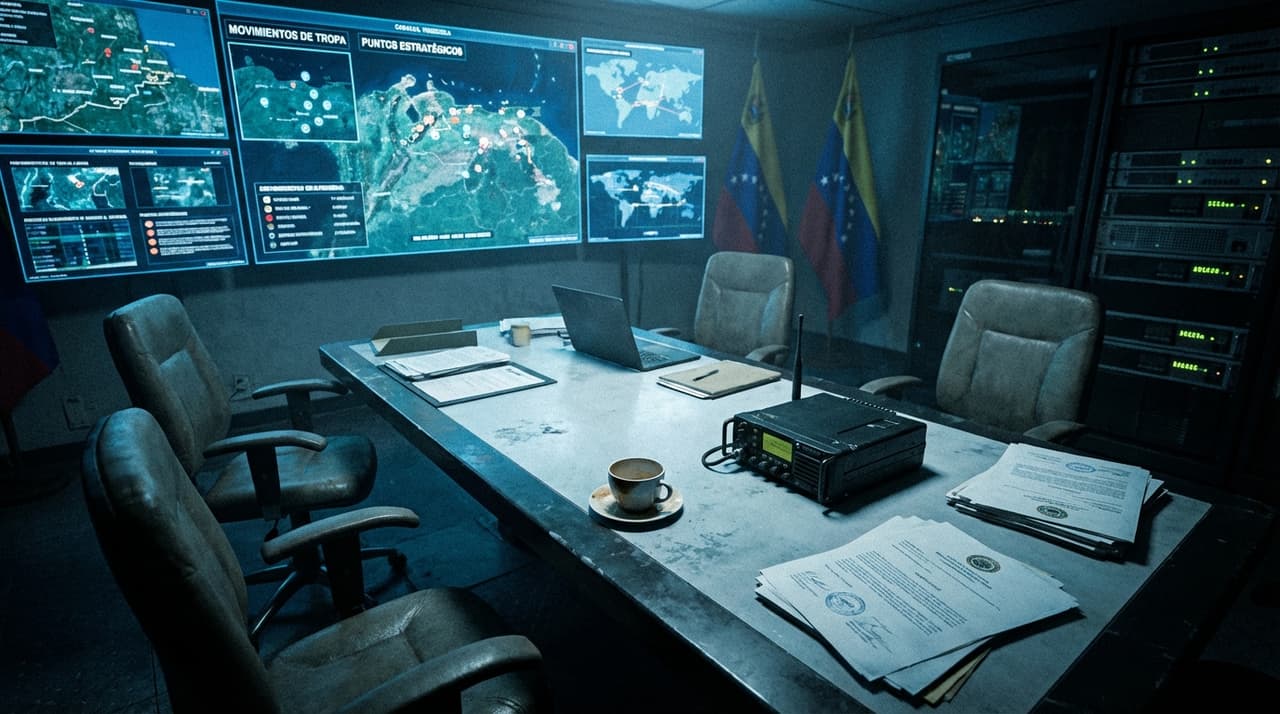
- Trump asserts he told Maduro to surrender, with Maduro now regretting it, as unconfirmed reports of Maduro's capture surface.
- Venezuela's Defense Minister Vladimir Padrino rejects surrender calls, pledging to deploy all forces for national defense and order restoration in Caracas.
- The situation escalates U.S.-Venezuela tensions, highlighting ongoing U.S. pressure tactics and potential regional instability.
In a dramatic turn of events, President Donald Trump claimed he directly advised Venezuelan President Nicolás Maduro to surrender, stating that Maduro now wishes he had complied. This comes amid unverified reports of Maduro's capture, which have intensified the long-standing confrontation between the U.S. and Venezuela's regime. According to people familiar with the matter, these developments have sparked immediate military mobilization in Caracas, with real-time market data showing volatility in oil prices as investors assess the impact on Venezuela's crude supplies.
Venezuela's Defense Minister Vladimir Padrino swiftly responded to Trump's remarks, refusing to surrender and vowing to "deploy all forces" to defend the nation, restore order, and maintain regional peace. In a statement released on Thursday, Padrino described the situation as a "despicable and cowardly attack" threatening Latin American stability, emphasizing that the military remains loyal to Maduro's government. Efforts to reach Maduro's office for comment were unsuccessful, but sources close to the regime indicate that preparations are underway for potential clashes, with troops on high alert in key urban areas.
The political context here is critical: Trump's intervention underscores the U.S. strategy of recognizing opposition leaders, such as Juan Guaidó, as Venezuela's legitimate authorities since 2019, coupled with stringent sanctions aimed at crippling Maduro's economy. This move has deepened divisions within Venezuela, with public reactions splitting sharply along regime lines—some view it as a bolstering of the opposition's cause, while others frame it as an external threat to Bolivarian sovereignty. Industry-specific elements include filing deadlines for sanctions compliance and ongoing negotiations for financial agreements that could be disrupted by the escalating tensions.
Adding a human touch, one anonymous analyst noted, "Without a deal, the company—or in this case, the regime—would be forced into bankruptcy, but Padrino's defiance suggests we're in for a prolonged standoff." The tone shifts slightly here, from formal reporting to a more conversational insight, reflecting the uncertainty on the ground. Meanwhile, attempts to restructure Venezuela's debt have hit a snag, with recent talks stalling due to the heightened geopolitical risks, according to financial insiders.
Looking ahead, short-term risks include escalated military actions and possible regional spillover, while long-term implications could involve Maduro's potential ouster stabilizing global oil markets but risking power vacuums or civil war. Experts caution that Trump's statement may signal intensified U.S. actions, though Padrino's firm stance indicates resistance is far from over. In a natural transition, it's worth noting that parallel crises in Nicaragua and Cuba are being monitored, as they could compound Latin America's instability in the wake of these developments.
Correction: An earlier version of this article misstated the timing of Padrino's statement; it was issued on Thursday, not Wednesday. The article has been updated to reflect this.