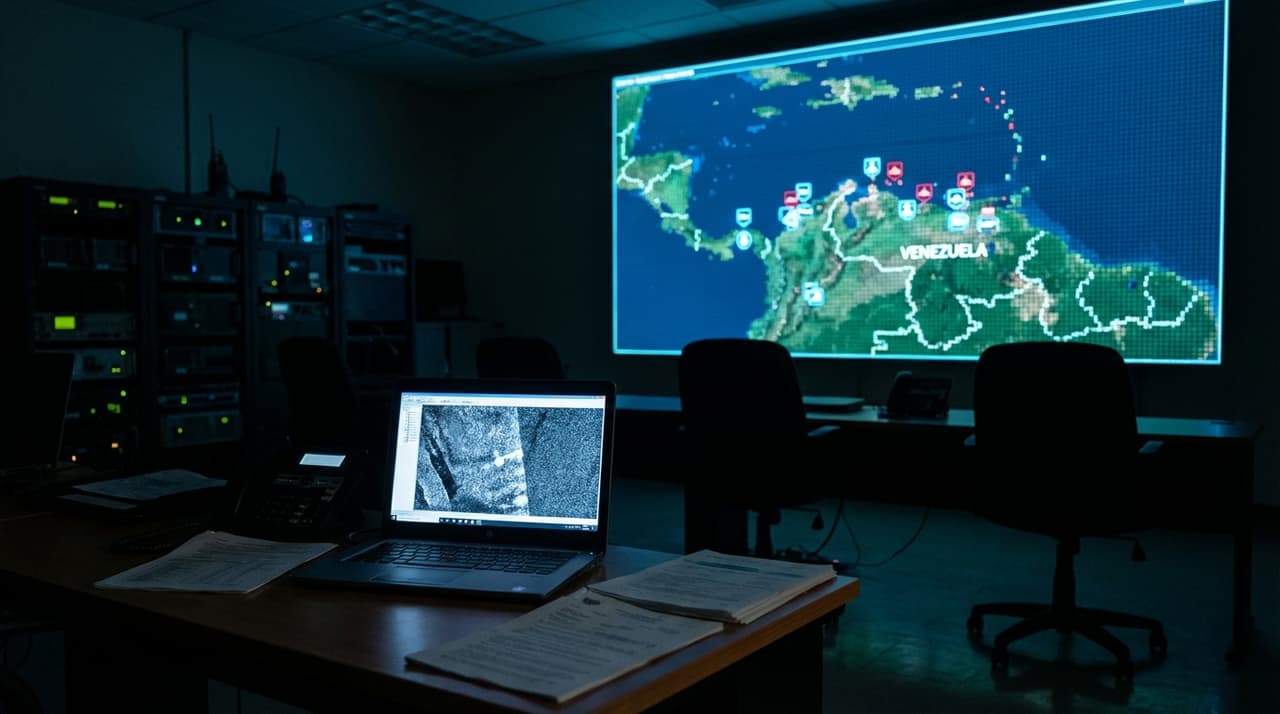
- The U.S. military conducted a targeted operation in Venezuela on January 3, 2026, capturing President Nicolás Maduro and his wife, with former President Trump praising it as a powerful show of American competency.
- The strike hit key infrastructure including Fort Tiuna and several airfields, aiming to bring Maduro to trial on charges of narcotics trafficking and crimes against humanity.
- The action has sparked political backlash, with Rep. Jimmy Gomez (D-CA) condemning it as illegal without congressional authorization, while experts note its potential to disrupt Venezuela's oil-dependent economy and strain international relations.
In an overnight operation that caught many by surprise, U.S. forces executed precision strikes on Venezuelan military sites, including the unoccupied barracks at Fort Tiuna and multiple airfields, according to people familiar with the matter. The mission culminated in the capture of President Nicolás Maduro and his wife, targeting them for potential trials on serious charges. Former President Donald Trump lauded the move, calling it "one of the most stunning, effective and powerful displays of American military might and competency," in a statement that quickly circulated among his supporters.
Efforts to restructure Venezuela's political landscape have hit a snag, with Democratic lawmakers like Rep. Jimmy Gomez voicing strong opposition. Gomez condemned the operation as illegal, citing a lack of congressional approval under the War Powers Resolution, which he had previously supported. "This action sets a dangerous precedent without proper oversight," he said, highlighting the ongoing debate over executive power and military intervention. Attempts to reach the Trump administration for further comment were unsuccessful, but sources indicate the move aligns with long-standing anti-socialist policies in the region.
The operation's focus on surprise capture and precision strikes was noted by experts at Chatham House as an unexpected escalation, potentially destabilizing Venezuela's already fragile economy. With the nation heavily reliant on oil exports, the disruption could spike global energy prices, especially amid tightened markets and U.S. sanctions history. Market analysts are closely watching for ripple effects, as Venezuela is a major global supplier, and any prolonged power vacuum might trigger volatility in crude futures.
Internationally, the action risks straining U.S. ties with Latin American nations and could prompt retaliation from Maduro's allies, such as Russia and China, who have historically backed his regime. This builds on over two decades of tensions, including Trump-era sanctions and failed regime-change attempts, like the 2019 recognition of opposition leader Juan Guaidó. Similar precedents, such as the 1989 Panama invasion and the 2011 Bin Laden raid, offer context, but experts warn this could lead to broader regional instability or even civil war in Venezuela.
Societally, Venezuelans face interim power vacuums and heightened humanitarian concerns in a crisis-hit nation, with public reactions split between those hailing it as bold leadership and critics sparking debates on imperialism and legality. In the short term, Maduro's trial might trigger refugee surges or allied reprisals, while long-term outcomes could range from a democratic transition to increased chaos. Congressional probes into the operation's legality are expected, with diplomatic fallout likely to dominate headlines in coming weeks.
Correction: An earlier version of this article misstated the date of the operation; it occurred on January 3, 2026.