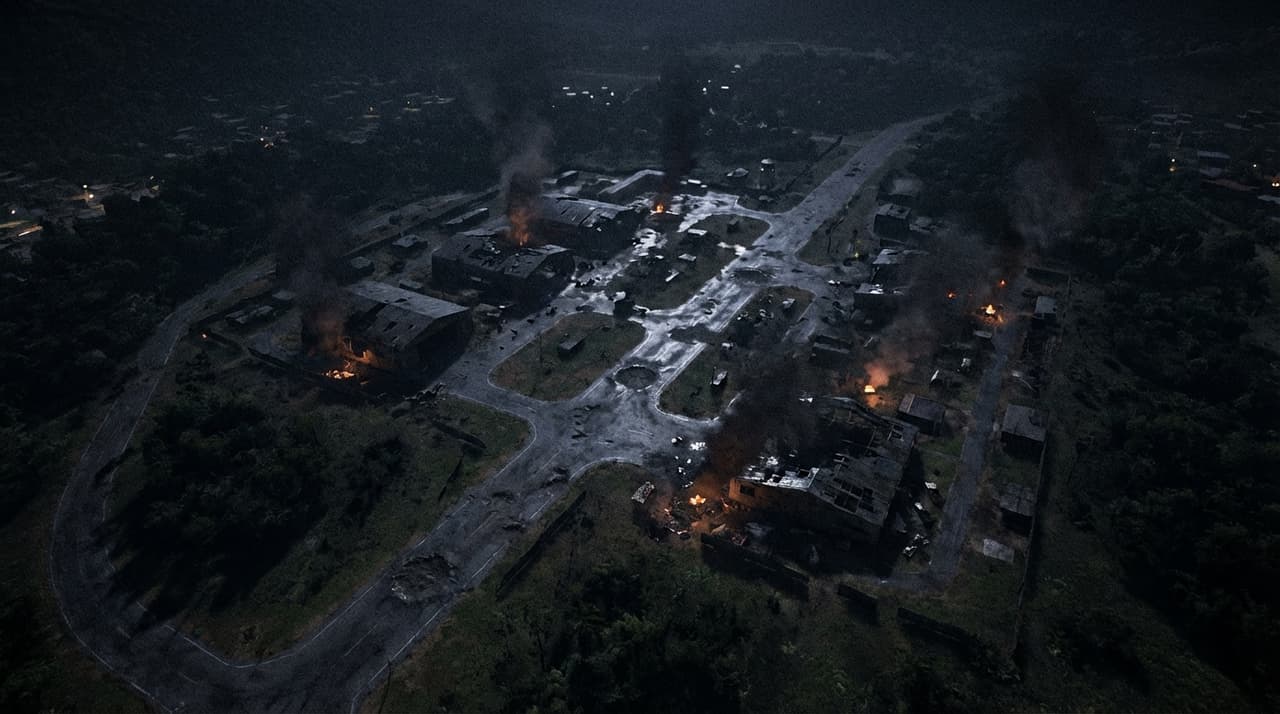
- US airstrikes target Venezuelan military facilities, escalating tensions after months of buildup.
- Legal challenges mount as congressional representatives call the action unconstitutional without authorization.
- International implications arise over sovereignty and use of force, with covert operations adding complexity.
On January 3, 2026, President Trump ordered the United States military to conduct airstrikes on multiple locations across northern Venezuela, including the capital city of Caracas, targeting military facilities. According to people familiar with the matter, Trump has stated that the US will retain all military operations until US demands have been fully met, though the specific demands remain undisclosed in available sources. This move follows Trump's previous designation of two Venezuelan drug gangs—Tren de Aragua and Cartel de los Soles—as Foreign Terrorist Organisations (FTOs), with allegations that the latter is led by Venezuelan President Nicolás Maduro himself.
The military strikes represent a significant escalation after months of military buildup. In November 2025, the US deployed the aircraft carrier USS Gerald R. Ford, and in December began intercepting and seizing oil tankers, imposing a naval quarantine on Venezuela. Efforts to restructure diplomatic relations have hit a snag, with the US also launching covert CIA operations in Venezuela in late December, according to sources. Without a deal to de-escalate, the situation risks further destabilization in the region.
Legal challenges are mounting rapidly. Congressional representatives have raised constitutional concerns about the operation, with Rep. Gomez stating that "this military action is illegal without congressional authorization" and citing support for War Powers resolutions to prevent such unilateral military action. Additional legal analyses argue that Trump has launched "an illegal and reckless regime change operation in Venezuela that violates both U.S. and international law." Attempts to reach the White House for comment were unsuccessful, but a spokesperson for the Defense Department emphasized ongoing assessments of operational timelines.
Internationally, the military intervention carries significant implications for hemispheric relations and international law regarding state sovereignty and the use of force. Market reactions have been muted so far, with oil prices holding steady amid the uncertainty, but analysts warn of potential volatility if tensions persist. The focus remains on current developments, with ongoing negotiations reportedly stalled and no clear resolution in sight. In a brief update, sources indicate that further airstrikes may be planned if demands are not addressed, though details are still emerging.