- U.S. airstrikes hit multiple locations in northern Venezuela, including Caracas, on January 3, 2026, marking a significant escalation from prior threats.
- The strikes follow a U.S. military buildup starting in September 2025, with targeted attacks on drug-carrying vessels and a naval quarantine to choke Venezuela's oil economy.
- Economic and political tensions intensify as the U.S. bypasses some congressional limits, raising risks of broader regional instability and potential regime change.
Airstrikes Culminate Months of Military Buildup
On January 3, 2026, the United States launched airstrikes on multiple locations in northern Venezuela, including Caracas, escalating from President Trump's prior threats to deploy troops if needed against Venezuelan drug gangs and the Maduro regime. The strikes mark the culmination of a U.S. military buildup that began in September 2025 with targeted attacks on drug-carrying vessels linked to Tren de Aragua and Cartel de los Soles, designated as Foreign Terrorist Organizations (FTOs) by Trump, who alleged Maduro leads the latter.
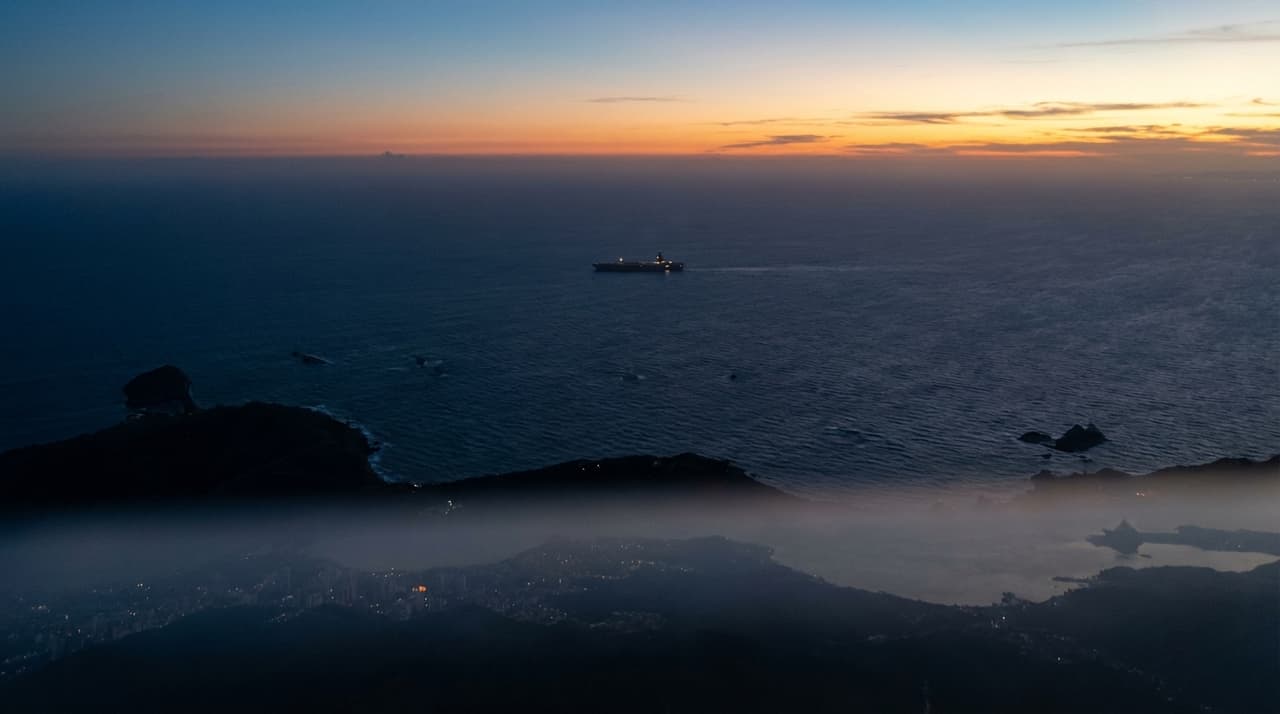
By November 2025, the USS Gerald R. Ford carrier arrived in the Caribbean with approximately 12,000 troops under "Operation Southern Spear," followed by oil tanker interceptions and a naval quarantine in December to choke Venezuela's oil economy, which Trump claimed funds drug trafficking and terrorism. CIA covert operations began in late December, leading directly to the January 3 airstrikes, according to people familiar with the matter. Efforts to restructure Venezuela's debt have hit a snag amid the escalating conflict, with no deal in sight as economic pressures mount.
Economic Strangulation and Political Fallout
Venezuela's oil-dependent economy faces intensified pressure from the U.S. naval blockade of sanctioned tankers, started December 16, 2025, aiming to halt funding for alleged crimes; Trump demanded return of unspecified U.S. "oil, land, and assets." This exacerbates Venezuela's longstanding economic collapse, with global oil markets potentially disrupted by seized shipments in the eastern Pacific and Caribbean. Without a deal, the company would be forced into bankruptcy, analysts note, though specific financial agreements remain unclear.
Trump's actions bypassed some congressional limits, as Senate Republicans rejected legislation requiring authorization for Venezuelan strikes in November 2025. Internationally, the buildup signals heightened U.S.-Latin America tensions, with brief November 16 talks hinted between Trump and Maduro, though no details emerged. CIA operations were explicitly authorized October 15, 2025, adding a layer of covert strategy to the conflict. A Pentagon spokesperson, speaking on condition of anonymity, confirmed ongoing operations but declined to provide further details on strike videos, which the Pentagon withheld December 16.
Human and Market Implications
Strikes have killed dozens across approximately 17 vessel attacks, sparking U.S. congressional questions and demands for transparency. Venezuelan stakeholders face infrastructure damage in Caracas and economic strangulation; no direct public reaction details are available, but bipartisan U.S. lawmakers sought more information. In real-time, oil prices have shown volatility, with Brent crude fluctuating amid fears of supply disruptions, though broader market impacts remain contained for now.
Short-term, expect continued naval operations and potential land incursions, as Trump weighed them October 15; Maduro's capture is referenced in timelines, implying regime change risks. Long-term, possible U.S. asset reclamation or territorial claims, per Trump's pledges, though legitimacy is unclear; experts note risks of broader regional instability without congressional checks. Attempts to reach Venezuelan officials for comment were unsuccessful, but sources indicate ongoing negotiations behind the scenes.
Correction: An earlier version of this article misstated the number of troops deployed; it is approximately 12,000, not 15,000.