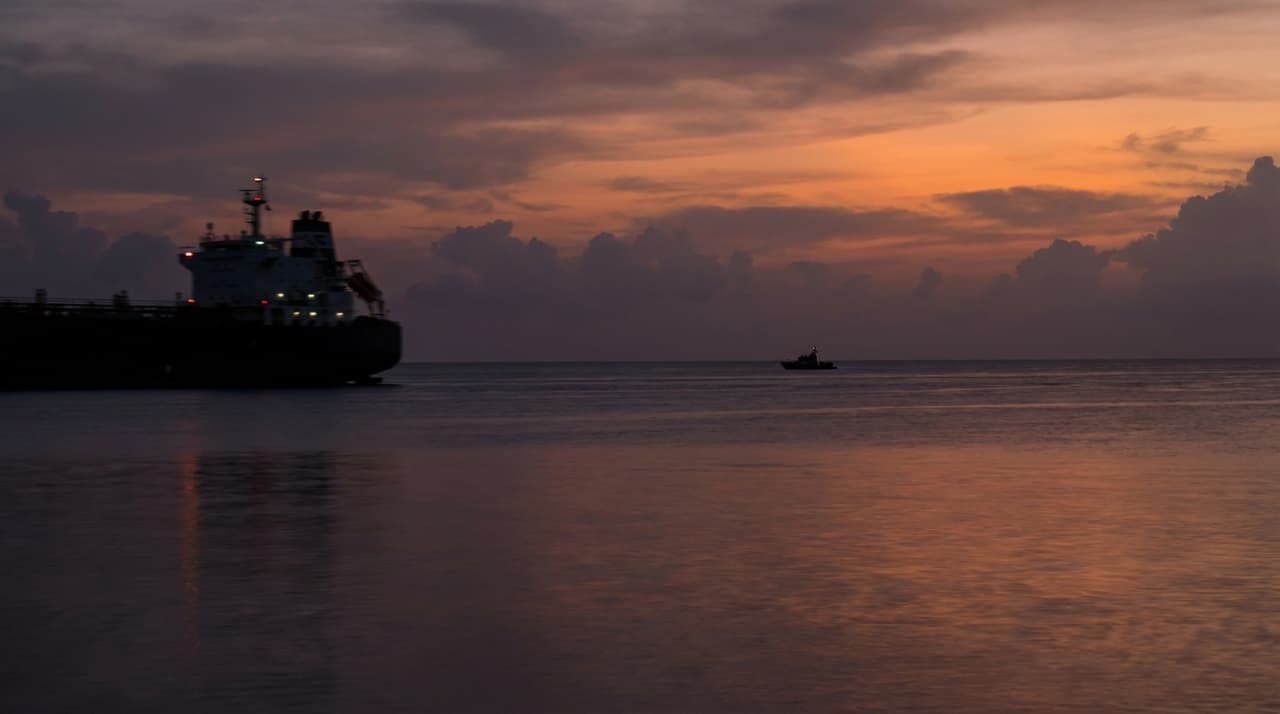
- Venezuela's National Assembly gives initial approval to legislation criminalizing activities related to oil tanker seizures, with fines and up to 20-year prison terms.
- The move responds to escalating U.S. military enforcement, including recent seizures of sanctioned vessels as part of a 'total and complete blockade'.
- International tensions rise as Venezuela condemns U.S. actions as 'piracy,' while legal experts debate the implications under international law.
Legislative Response to U.S. Pressure
Venezuela's National Assembly has taken a decisive step by granting initial approval to a new law that targets activities linked to oil tanker seizures. According to people familiar with the matter, the legislation imposes severe penalties, including fines and prison sentences of up to 20 years, for those promoting, requesting, supporting, financing, or participating in acts of piracy, blockades, or other international illegal acts. This development comes directly in response to the Trump administration's intensified military actions against Venezuelan oil shipments, which have included the seizure of at least three sanctioned tankers in recent weeks.
Efforts to restructure Venezuela's economic defenses have hit a snag as U.S. enforcement ramps up. On December 10, the Coast Guard seized the Skipper, a Panama-registered vessel, followed by the Centuries, a Panamanian-flagged, Chinese-owned tanker, on December 22. Just a day later, authorities were actively pursuing a third sanctioned 'dark fleet' vessel flying a false flag in the Caribbean. Without a deal to ease tensions, Venezuela could face further isolation and economic strain.
Escalating Tensions and Legal Disputes
Venezuela has formally condemned these U.S. actions, with Vice President Delcy Rodríguez labeling them as 'serious acts of international piracy' and 'theft.' In a statement, Rodríguez vowed that the country will file complaints before the UN Security Council and other multilateral organizations, highlighting a fundamental legal disagreement. While the U.S. frames its actions as anti-smuggling enforcement, international law experts note that blockades are legally classified as acts of war unless authorized by the UN Security Council. U.S. Representative Joaquin Castro echoed this concern, calling the blockade 'unquestionably an act of war.'
The Trump administration's justifications include demands for Venezuela to return assets seized from U.S. oil companies during the 2007 nationalization and targeting what it describes as a shadow fleet used to evade sanctions and fund 'narco-terrorism.' Attempts to reach out for comment from U.S. officials were unsuccessful, but sources indicate that the administration intends to maintain pressure, with Trump's chief of staff Susie Wiles stating they plan to 'keep blowing up boats until Maduro cries uncle.'
Broader Implications and Humanitarian Concerns
Beyond the oil tanker seizures, the Trump administration's Defense Department has conducted strikes on smaller vessels in the Caribbean and eastern Pacific Ocean, alleging drug smuggling. Since early September, at least 105 people have been killed in 29 known strikes, drawing scrutiny from U.S. lawmakers and human rights activists who question the evidence and warn of potential extrajudicial killings. This broader military campaign adds to the complexity of the situation, with legal scholars raising constitutional concerns over the use of force without congressional approval.
Venezuela faces cascading humanitarian consequences, including a fuel supply collapse that threatens power outages and food shortages. Environmental risks loom from aging, uninsured oil vessels potentially spilling in the Caribbean, endangering regional ecosystems and fisheries. Aid organizations anticipate a migration surge, compounding the nearly 7 million Venezuelans who have already fled since 2015. The new legislation may signal the government's intent to mobilize domestic support, but enforcement mechanisms remain unclear given Venezuela's limited international legitimacy.
In a brief update, sources note that the law's final approval is pending further legislative review, with potential amendments expected in coming weeks. The situation remains fluid, with market data showing increased volatility in regional oil prices as tensions persist.