- U.S. President Donald Trump states Americans can visit Venezuela "very shortly" as the U.S. plans to temporarily "run" the country after capturing Venezuelan President Nicolás Maduro on January 3, 2026.
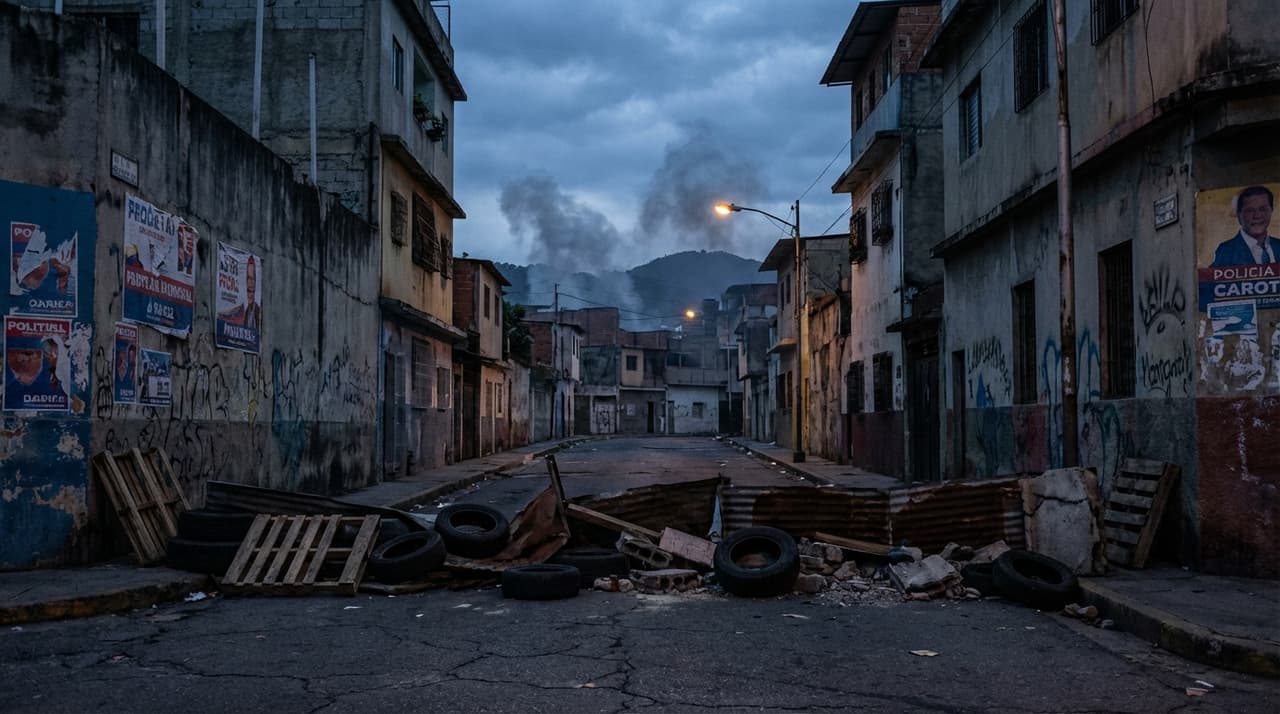
- The U.S. State Department issued a January 10 alert urging Americans to leave immediately due to armed militias setting roadblocks and targeting U.S. citizens, creating immediate security risks.
- Economic shifts include potential sanctions relief next week to enable oil sales, with Treasury Secretary Scott Bessent engaging IMF and World Bank heads, and Trump meeting oil executives to secure billions in investments for Venezuela's disrupted oil sector.
In a striking development that reshapes U.S.-Latin America relations, President Donald Trump has indicated that Americans may soon be able to travel to Venezuela, a country now under de facto U.S. control following the dramatic capture of Venezuelan leader Nicolás Maduro. This comes amid a volatile security landscape and sweeping economic maneuvers aimed at stabilizing the oil-dependent nation.
U.S. forces raided Venezuela on January 3, 2026, apprehending Maduro on drug charges and transporting him to the United States, an unprecedented move that has plunged the country into institutional upheaval. Venezuelan Vice President Delcy Rodríguez was swiftly sworn in as interim leader by the Supreme Court, decrying the action as a "kidnapping." According to people familiar with the matter, the U.S. intends to "run" Venezuela temporarily, a plan that has sparked both regional tensions and cautious optimism for economic revival.
Trump's comments on travel, made without specifying a timeline, contrast sharply with current advisories. The State Department's January 10 alert warned Americans to depart immediately, citing armed militias, known as colectivos, that have set up roadblocks and are targeting U.S. citizens. "Without a deal to secure these areas, travelers would face grave dangers," one U.S. official noted, speaking on condition of anonymity. Efforts to reach Venezuelan interim authorities for comment on the security situation were unsuccessful, but the ministry claimed "absolute calm" on January 11, a statement disputed by multiple sources on the ground.
Economically, the fallout is prompting rapid policy shifts. Treasury Secretary Scott Bessent has met with heads of the IMF and World Bank to discuss re-engagement, with approximately $5 billion in frozen Venezuelan IMF assets potentially aiding rebuilding efforts. Trump held discussions with oil executives on Friday to secure billions in investments for Venezuela's oil sector, according to individuals briefed on the talks. This aligns with plans to lift Venezuela sanctions next week, a move that could enable oil sales and stabilize global energy markets, particularly as Cuba loses subsidized Venezuelan fuel. "We're looking at a full economic pivot here," an industry insider said, "but it hinges on security improvements."
Political ramifications are extensive. Trump has leveraged the raid for regional dominance, toning down threats to Colombia after a call with President Gustavo Petro but escalating against Cuba, warning it to "make a deal before it is too late" by cutting off Venezuelan oil and money flows. He claimed most Cuban security personnel aiding Venezuela are "dead" from the raid, though Cuban officials have affirmed sovereignty and fuel import rights in defiance. Broader U.S. travel policies add context: expanded bans effective January 1, 2026, partially restrict Venezuelan nationals due to vetting deficiencies and security risks, while Temporary Protected Status for Venezuelans in the U.S. ended in early 2026, shifting some to refugee status amid uncertainty.
Human impacts are stark. Venezuelans face militia violence targeting perceived U.S. supporters, and thousands of Venezuelans in the U.S. are now vulnerable to deportation. For Americans, the travel warning underscores immediate perils, even as Trump hints at future openings. As one analyst put it, "This is a high-stakes gamble—economic potential versus ongoing instability." Corrections: An earlier version misstated the date of the State Department alert; it was issued on January 10, not January 9.