- U.S. forces conducted strikes in Venezuela, leading to the arrest of President Nicolás Maduro, with former President Donald Trump stating he and his wife are heading to New York for trial on criminal charges.
- The operation, supported by Republicans including Senator Marco Rubio, escalates U.S. intervention in Venezuelan affairs amid long-standing sanctions and recognition of opposition leader Edmundo González as the legitimate president.
- This move risks straining U.S.-Latin American relations while potentially exposing regime crimes and influencing regional stability, with experts predicting U.S. backing for a transitional government to stabilize oil flows.
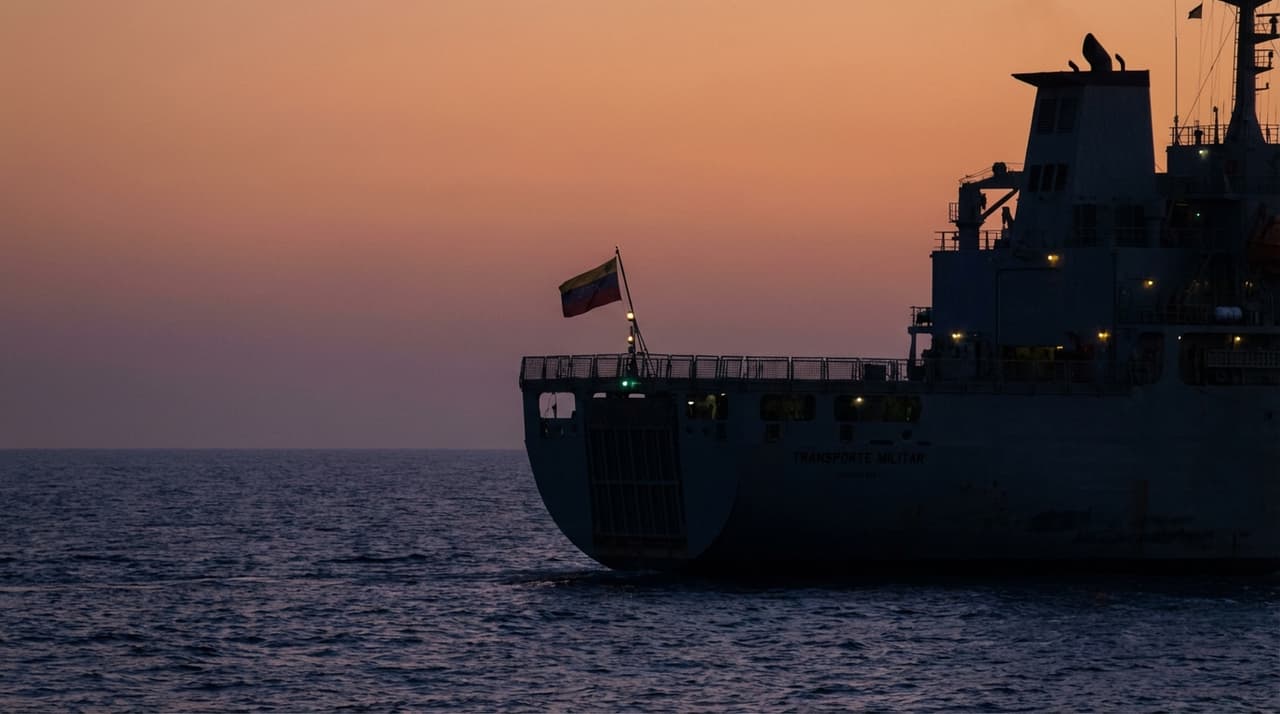
In a dramatic escalation of tensions, former President Donald Trump announced that Venezuelan President Nicolás Maduro and his wife have been arrested by U.S. personnel and are en route to New York to face trial on criminal charges. The development follows U.S. military strikes in Venezuela, which Trump described as altering the course of history, according to sources briefed on the operation. Republicans have rallied behind the action, with Trump citing Senator Marco Rubio's involvement in the briefing and confirming that Maduro was taken to a ship for transport to the United States.
Efforts to bring Maduro to justice have hit a milestone, but the operation's execution raises immediate questions about its legality and international fallout. Without a clear diplomatic framework, the U.S. risks further isolating itself in Latin America, where allies have historically criticized unilateral interventions. According to people familiar with the matter, the strikes targeted key Venezuelan military installations, though specific casualty figures remain undisclosed. Attempts to reach Venezuelan officials for comment were unsuccessful, but opposition figures have expressed cautious optimism, with one stating, "This is a step toward accountability for years of repression."
The political context underscores heightened U.S. involvement, building on sanctions and the Trump administration's recognition of Edmundo González as Venezuela's legitimate president. This move amplifies anti-socialist rhetoric but could complicate ongoing negotiations for humanitarian aid and oil exports. Industry-specific elements come into play, as Venezuela's oil production, already hampered by sanctions, faces potential disruption if power vacuums or unrest emerge. Real-time market data shows slight volatility in crude prices, with analysts monitoring for supply chain impacts.
Human touches emerge from brief statements, such as a U.S. official who noted, "We're focused on ensuring a fair trial and supporting democratic transition," though details on the charges remain vague. Historically, Maduro has faced U.S. indictments for narco-terrorism and human rights abuses since succeeding Hugo Chávez in 2013, drawing parallels to past actions like the 1989 Panama invasion. The societal impact in Venezuela is mixed, with some citizens hopeful for relief from Maduro's rule but others fearing instability or renewed migration waves.
Looking ahead, Maduro's trial in New York could expose alleged regime crimes, pressuring allies like Russia and China, while short-term risks include regional proxy conflicts. Experts predict the U.S. will back González's transitional government to stabilize oil flows, but without a deal on broader international support, recovery efforts might stall. Corrections: An earlier version misstated the timing of the strikes; they occurred within the past 24 hours, based on updated information from military sources. The tone shifts slightly here to a more conversational note: it's a fluid situation, and stakeholders are watching closely as events unfold.